A conversion rate in the context of user experience (UX) design is the percentage of users who take a desired action on a website or application. Desired actions range from making a purchase, signing up for a newsletter, to downloading an app. It is a vital metric for designers to optimize as it indicates how well a brand can encourage visitors to become participants or customers.
CEO of Experience Dynamics, Frank Spillers explains important ways to improve the customer experience:
Why is a Good Conversion Rate Vital for Brands?
Higher conversion rates are the dream and the chief motivating force for virtually all brands. Given that, to increase conversion rates so that potential customers become long-term, loyal ones will likely remain the most central goal for as long as companies do business. Across the digital sphere, countless blog posts address the problem of how to boost conversions for the brands behind the mobile apps, web pages and marketing campaigns that users encounter every day. From one brand’s desire to inspire more users to become customers via their product pages, to another organization’s need to alleviate its users’ pain points through an empathically-designed service, to another company’s attempt to make its free trial the most alluring for potential consumers, the general shape of the problem is the same—to keep raising the average conversion rate quickly and stably.
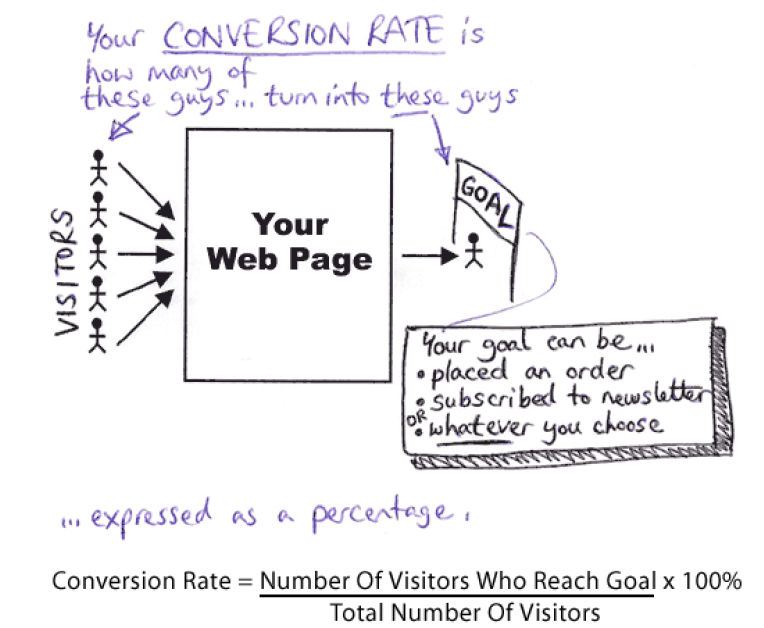
However, there’s much to examine and consider behind this—and what forms the approaches and solutions take can vary to a large extent. For one thing, brands, the industries they work in, as well as the people and other businesses they seek to serve best can differ immensely. Plus, there’s often far more involved in improving the UX and conversion rate than just the redesign of a call to action (CTA) button or a landing page. In UX design, the conversion rate is—specifically—a formula which puts the number of users who achieve a goal (such as convert into customers) over the total number of visitors (to that brand’s website) and multiplies the result of this division by 100.
The role that UX designers play to boost their brands’ conversion rates is possibly their most vital one. Users—including potential paying customers—come to a website or app because they want to achieve some goal. What stands in the way between their discovery of the brand and their becoming satisfied customers are issues like:
The number of steps or the intensity of tasks they must go through to get to their goal.
The risk of becoming confused or thinking about if they should turn to a competitor’s site or app for what they want.
What’s more, a critical point is that users—or visitors—come to a brand’s digital product with some problem. The “problem” could take many forms, such as:
Apply for help from a governmental agency.
Purchase a birthday present for a loved one.
Receive a newsletter or get on a mailing list.
Find the best car insurance rate.
So, the brand behind the site or app has to offer the best of what it has to its target audience—and help all users to intuitively proceed in their user or customer journeys without distractions or other factors keeping them back.
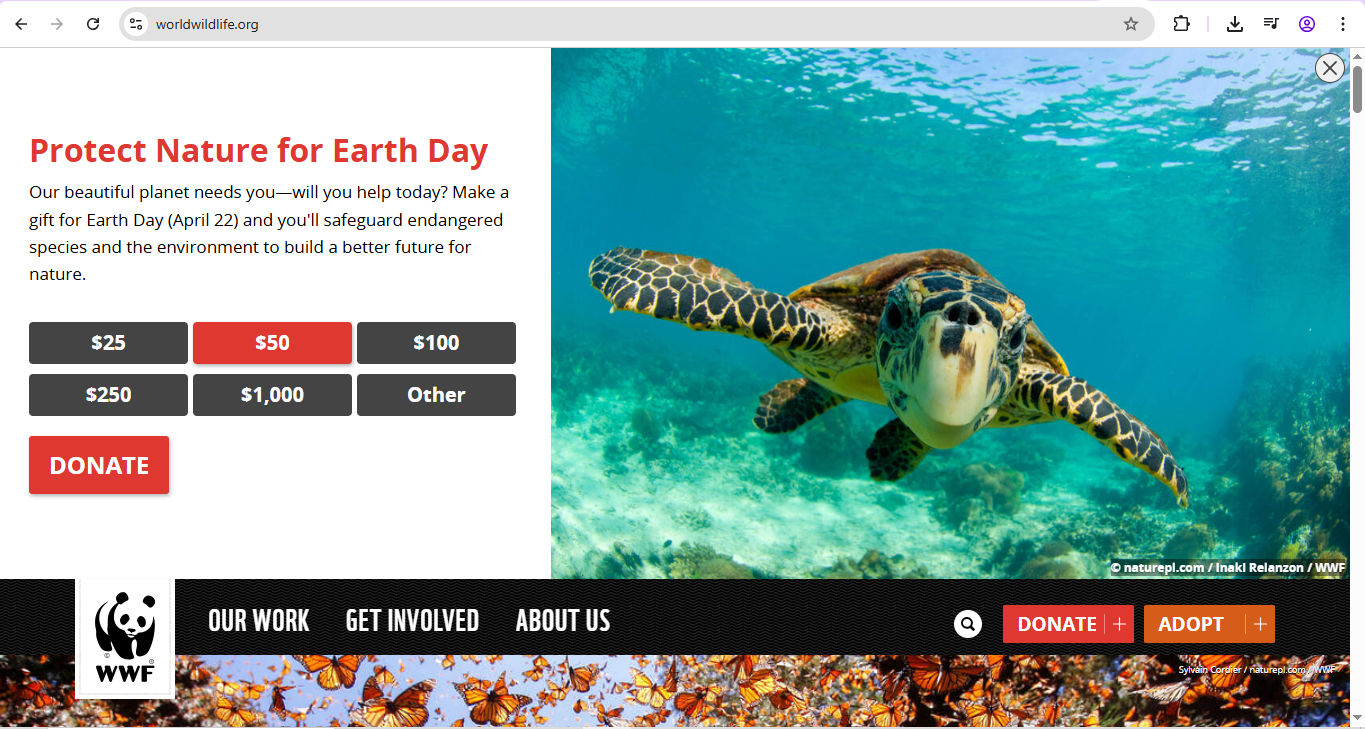
Conversion can take several forms—for example, this famous NGO offers different ways to donate, so people can make a real difference with whatever they want to give.
© World Wildlife Fund, Fair Use
For example, consider the urgency of an elderly user who comes to an e-commerce site for the first time and needs same-day delivery for a birthday gift. It might be a last-minute need, and they might be unable to leave their home to purchase that gift. Price might well be a large factor. However, what’s likely to be equally—if not more—important is that they can trust the brand with their credit card details and don’t become frustrated by slow loading times or a complicated checkout process.
From the most pressing needs to more casual wants—such as signing up for an e-newsletter with gardening tips—a brand’s users enter their brand experiences in a journey format. If these journeys are pleasurable—or at least as stressless as possible—users will be far more likely to enter into a long-time relationship with a brand they truly trust. That’s why designers must meet the needs of all users and raise the chances that users become interested—quickly—and convert. From the most casual visitors who respond to an email marketing campaign, to solution-seekers with far more pressing needs, brands must meet these people at every touchpoint and guide them to get what they want—and ethically so.
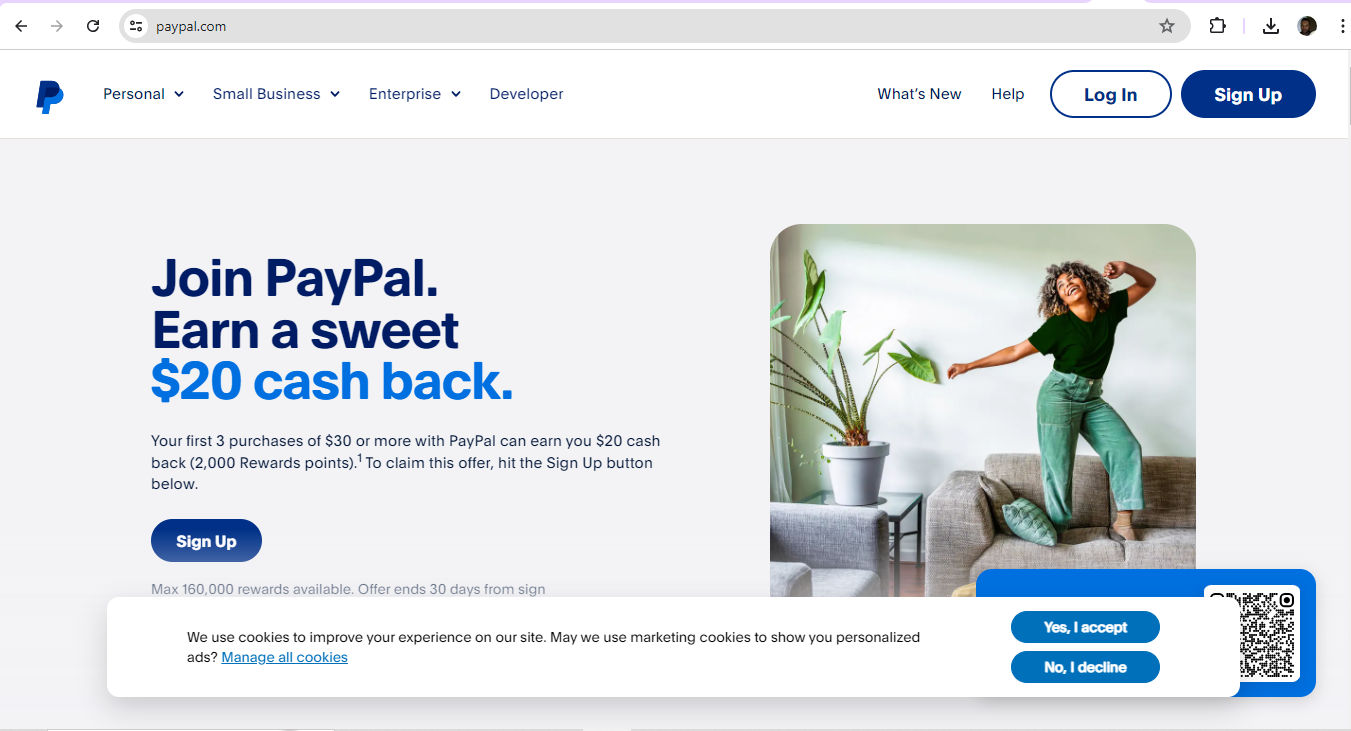
Consider the approach a newcomer to this site might make—someone who wants to use eBay, for example, for the first time and wants to set up a PayPal account. PayPal accommodates such needs in a clean, crisp, credible and considerate layout.
© PayPal, Fair Use
What is Conversation Rate Optimization?
Conversion rate optimization (CRO) is the process designers use so that visitors—to a website, for example—can enjoy the best user experience and so be more likely to take a desired action. First and foremost, a brand must prove to its user base that it understands why they’ve arrived on its site or app. This calls for careful design to bolster trust and brand credibility so that users can go with their gut reactions and enter into that all-important seamless experience where they feel as though they’re engaging directly with a brand who knows them. The “magic” of a seamless UX means they can forget they’re using a smartphone—or another device—to access the brand with the solution they want.
High conversion rates give healthy direct feedback on how well a user interface (UI) supports users’ actions. A brand with a high conversion rate typically offers a seamless and intuitive user experience. It’s likely to be one where the design elements—like calls to action, navigation and messaging—are fully in line with what the users expect. A large part of those expectations is the technical side of the experience.
Low conversion rates, however, point to areas for improvement—such as the need for clearer navigation or faster page loads. For example, for that elderly user who needs the gift to arrive on the same day, they’ll likely not have the patience to tolerate slow-loading times or an e-commerce site that doesn’t appear right on a mobile device screen. So, the aspects of their user journey—and, ideally, customer journey—are events that the brand that wants to help them will need to have measured, examined and optimized beforehand.
CEO of Experience Dynamics, Frank Spillers explains important points about responsive design in this video:
What are Conversion Events?
Conversion events are specific actions that brands and organizations measure to evaluate user engagement—and how effective their products, services and campaigns are. These can include a variety of user interactions, such as when users start a session, make a purchase or upgrade an app. Brands track each of these events to understand how well a website or app engages with its users and prompts them to take high-value actions within a certain timeframe. User feedback and usability testing are—therefore—vital parts of how designers understand how to optimize digital products like websites. For example, data about mobile experiences can shed key insights for designers to greatly enhance mobile conversion rates—vitally important in the mobile-first era.
Several other factors are vital in conversion events—such as the personalization that brands offer and the relevance they prove to users in their user journeys. Tailored experiences are far more likely to engage users and encourage them to not just convert but return, too. Conversion rate optimization for web development and design therefore needs to adopt a human face—one that meets the users at every step of the way on their user journeys. There’s a long way to go before—and after—users become paying customers in the sales funnel, and it calls for careful handling by the designers who need to maximize value for the customers and the organizations they serve.
Frank Spillers explains important points about user journeys in this video:
What are the Best Metrics to Choose?
If they’re to succeed when they measure and track their brands’ conversion rates, designers—and UX researchers—need to pick the best metrics for the business goals at hand. Here are some common ones:
Purchase conversion rate: This is the percentage of visitors who make a purchase.
Lead conversion rate: This is the percentage of visitors who fill out a lead generation form.
Sign-up conversion rate: This is the percentage of visitors who sign up for a newsletter or account.
Click-through rate (CTR): This is the percentage of visitors who engage with a certain call-to-action or link.
What are the Best Tracking Tools and How to Understand Data Analysis?
Designers can pick from many effective options, such as—and in no particular order:
Google Analytics: Google Analytics offers comprehensive insights into website traffic, user behavior and conversions.

© Google, Fair Use
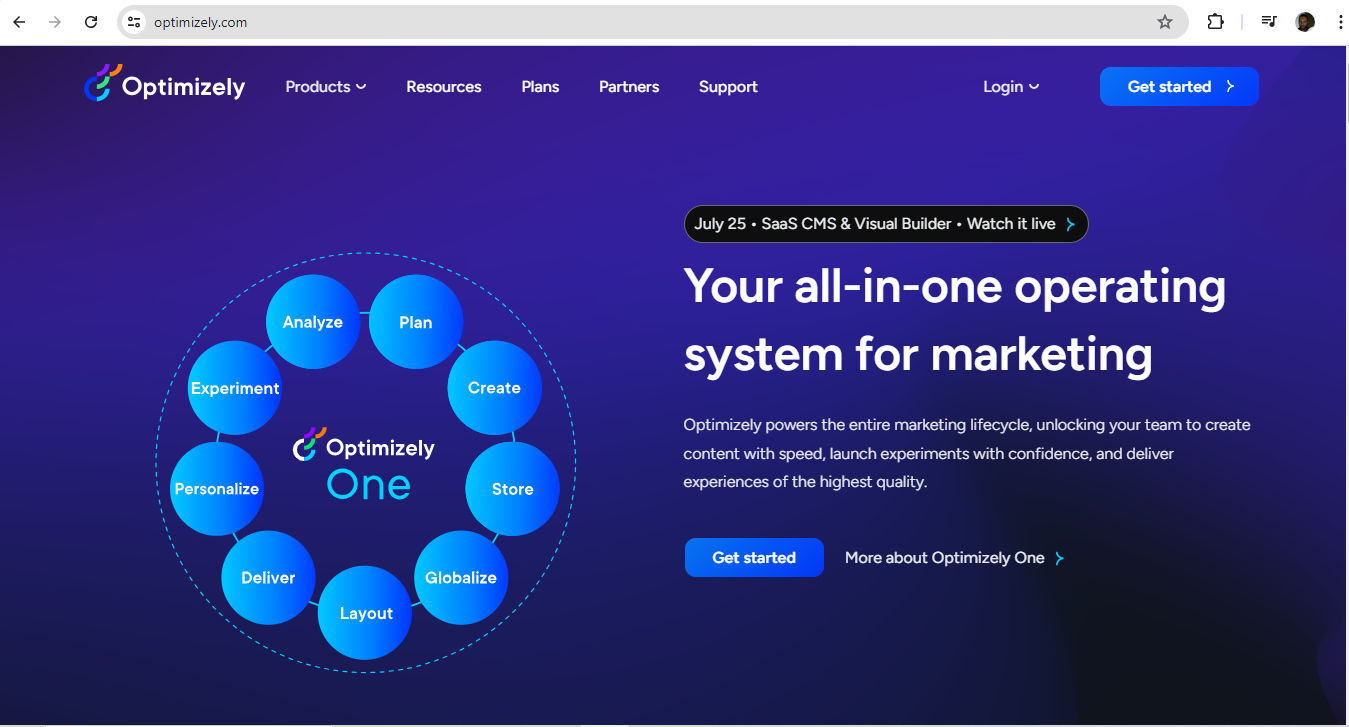
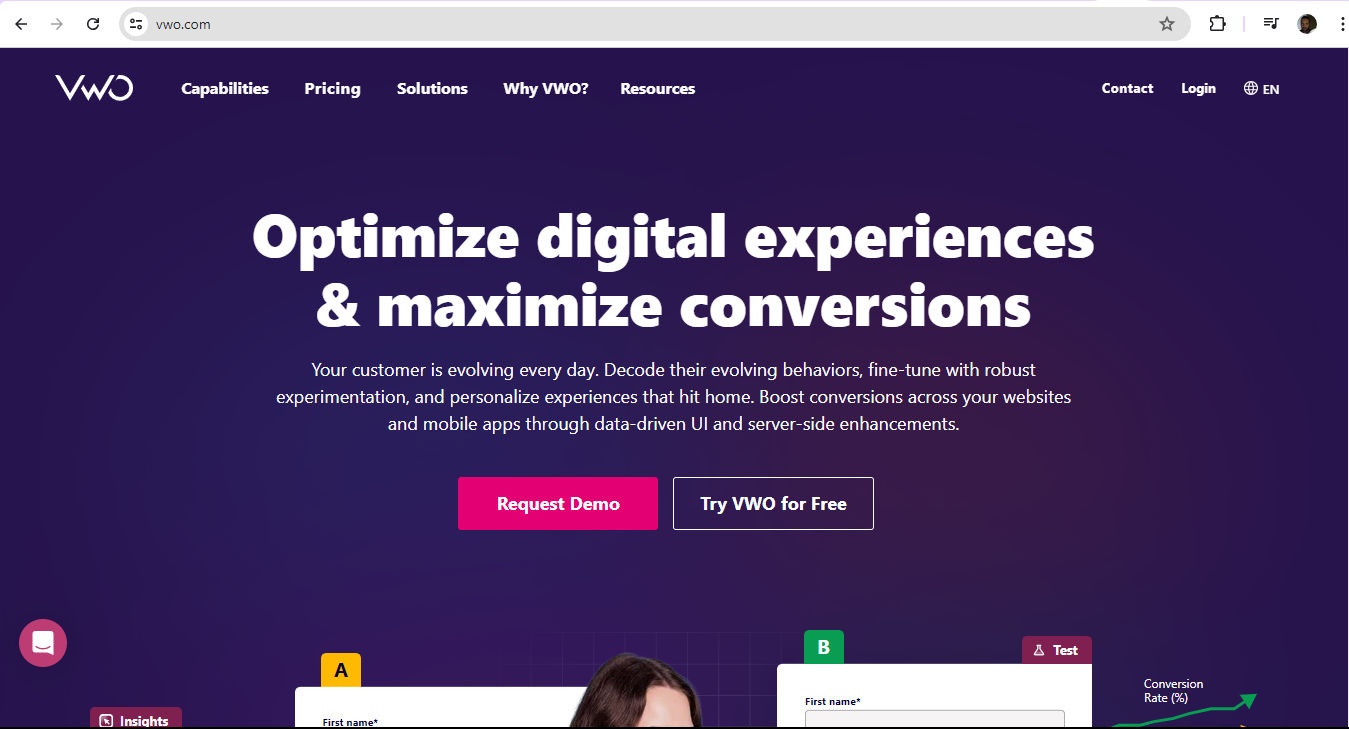
And here are other popular and effective options—offering A/B testing of website elements to see what their impact is like on conversions:
Optimizely
© Optimizely, Fair Use
VWO
© VWO, Fair Use
Unbounce
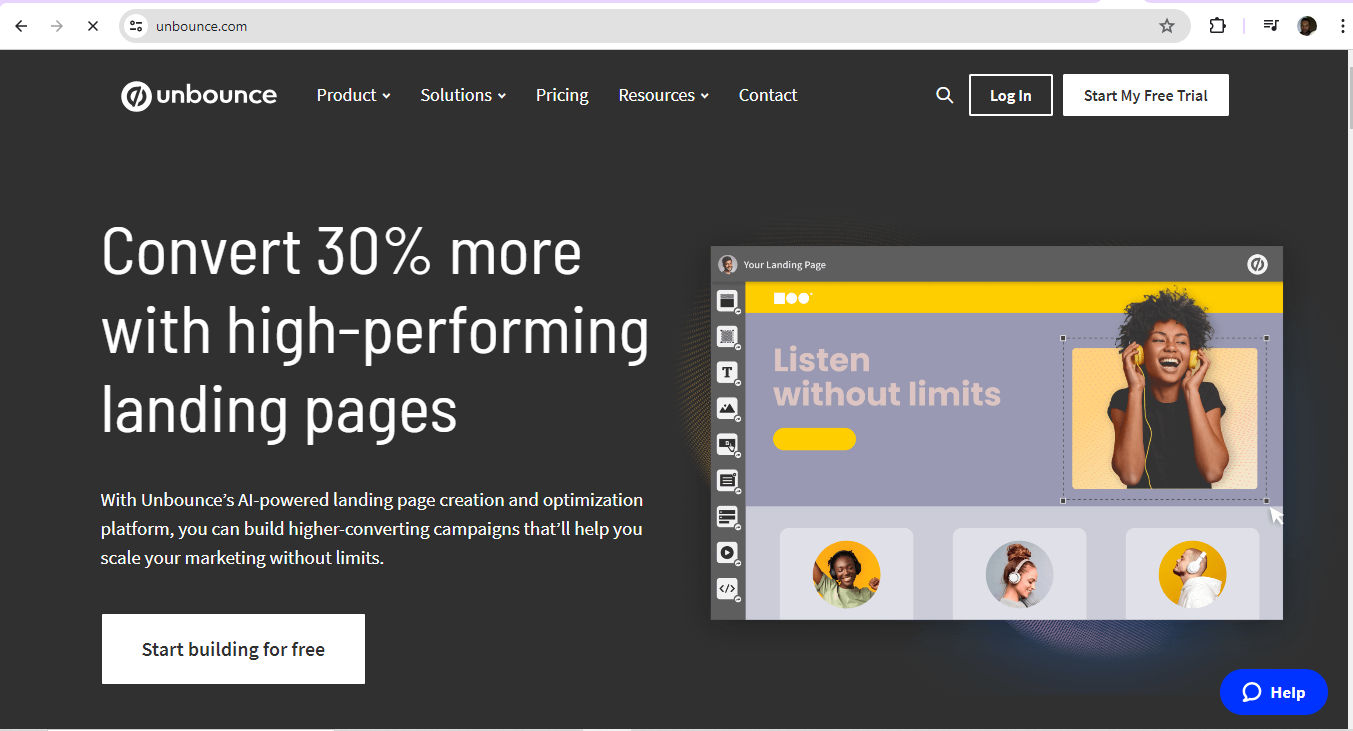
© Unbounce, Fair Use
How to Understand Data Analysis
From what the tracking tools provide, the data that designers and researchers analyze can provide valuable insights. Key metrics to consider include:
Conversion rate trends over time.
Conversion rates by traffic source: These help identify the most valuable channels.
Conversion rates by user segment and device: These can uncover the behaviors and characteristics of the highest-converting visitors—extremely helpful for designers to make targeted optimizations.
UX Strategist and Consultant, William Hudson explains vital points about web and mobile app analytics—an important way to get insights behind the UX of products so designers can find ways to raise their conversion rates:
How to Optimize Conversion Rates through UX?
There are a variety of ways to pave the way for users to make the most of their experiences and convert. The most fundamental approaches include:
1. Understand the Users
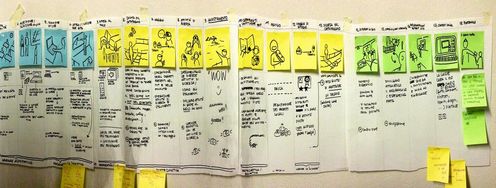
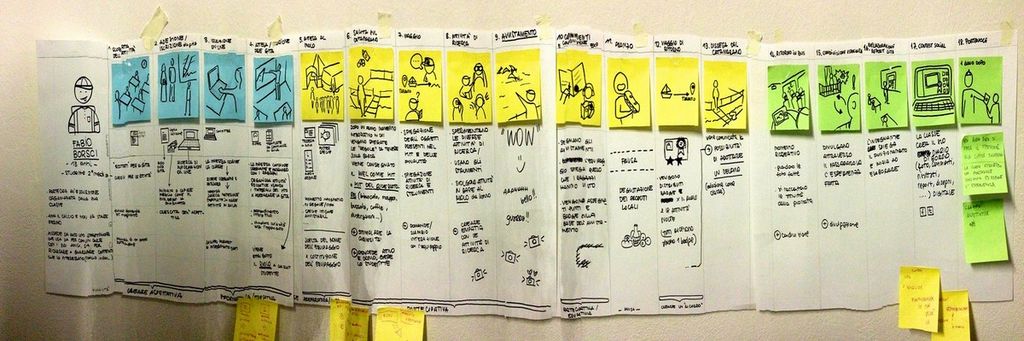
Empathy is the keyword here—and so is a solid appreciation for what’s involved in the user journey. Who is the target audience? What are they after and why do they need it? Personas and customer journey maps make exceptional tools in the first instance to build up vivid insights into the world of the people a brand wants to help.
Author and Human-Computer Interaction Expert, Professor Alan Dix explains personas and why they’re so valuable in design:
The groundwork a brand does with its UX research will lay the foundations for what it builds in the form of a solution.
William Hudson explains user research—and why it’s important—in this video:
It’s vital to get the user research right; even the most technically superior website won’t be able to reach its user base if it doesn’t speak to them, and anticipate their user scenarios and what they’ll need in a conversion funnel—or the series of steps users must go through to convert. Principally, designers need to account for how users discover the brand they believe can help them most, then how these users think about the solution that the brand offers—and then, hopefully, decide to go with it and enjoy it as loyal customers.

MailChimp offers clear and effective yellow CTAs to help users.
© MailChimp, Fair Use
2. Follow Best Design Practices
Effective UX design—including a strong grasp of design principles—is another foundational part to optimize a digital product like a website for the highest conversion rates. It calls for a careful approach to:
Visual design and the strategic placement of call-to-action (CTA) buttons, clear messaging and to make sure that navigation leads users naturally to the next step in their journey. A key part of this is to apply UI design patterns well and fine-tune the brand’s personality while leveraging tried-and-tested approaches to—for example—form fields and checkout processes.
Watch our video to learn more about UI design patterns:
3. Speak to Users with Copy Geared for Conversion
Designers should show the value proposition and what benefits users can enjoy as subscribers, customers or whatever conversion looks like for the brand. It’s important to highlight benefits rather than list features of a product, for example. What’s more, a concise approach to microcopy and an accessible brand voice—and one which customers would expect from the brand—is a valuable way for brands to speak to users, earn their trust and keep them from becoming confused—especially important in markets with so many competitors.
Author, Speaker and UX Writer at Google, Torrey Podmajersky explains important points about UX writing and effective microcopy:
4. Make Accessibility and Inclusive Design Watchwords
Perhaps no user need is more vital for designers to tailor than through accessible and inclusive designs. It’s not just due to the potential legal repercussions that can come if a brand ignores users with disabilities. It’s also because the digital solutions that factor in the needs of all users—such as captions and good color contrast choices—are those that can make it easier for everyone on their user journey.
Watch our video on accessibility to understand more about this ultra-important aspect of design:
As designers consider how to make their digital solutions accessible for everyone, they can also expand their view with initiatives like card sorting and comprehensive site mapping. These are highly helpful for designers or design teams to work out the most effective ways to meet users’ expectations before moving on to prototyping. When designers can greatly streamline the user experience, they’ll make it much easier for users to find what they’re looking for—and so improve conversion rates.
Author, Speaker and Design Consultant, Donna Spencer explains vital points about card sorting:
5. Conduct Thorough Usability Testing
Usability testing stands as the backbone of successful UX design. Usability testing with real users—and that includes A/B testing—sheds direct insights into what user interactions and preferences are like. For instance, simple changes like form simplification can raise conversion rates a great deal. When designers engage users in usability tests, they can find problematic areas and refine the UX to support user actions that much more effectively—for example, in websites that are more intuitive and user-friendly.
William Hudson explains important points about user testing in this video:
6. Implement Feedback
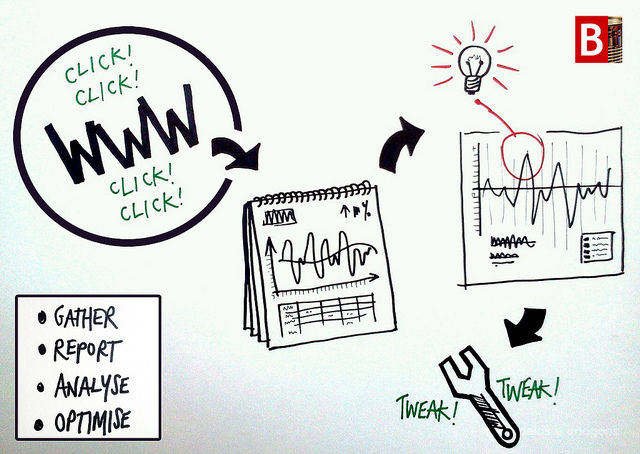
Any design process—such as design thinking—benefits greatly when designers iteratively implement user feedback. Crucially, such continuous improvements can translate to far better conversion rates. Digital analytics and user feedback are the most vital ways for designers and their brands to understand how different elements of a website perform—particularly in terms of user engagement and conversion. Designers can take the insights from this data—digest and consider it carefully—and make user experiences that are far more tailored and effective. For example, if a particular CTA button is underperforming, designers can look at the user interaction patterns with that button to find how to make the modifications to enhance its effectiveness.
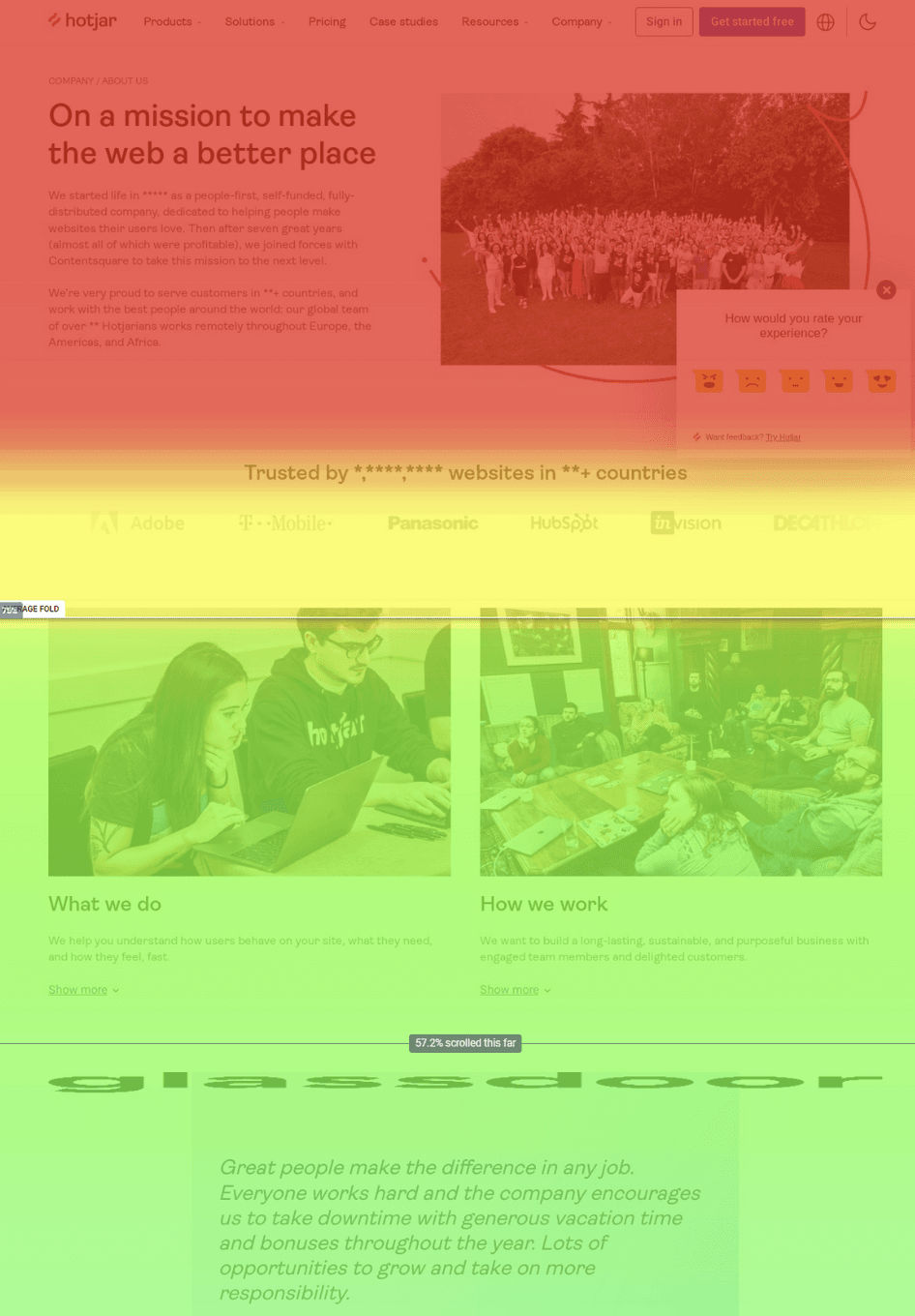
Designers can analyze scroll maps—such as with Hotjar—to find out whether users can find vital content such as Buy Now buttons.
© Jon Evans, Fair Use
Risks and Special Considerations with Conversion Rates
Here are some common ones for designers to watch out for:
1. Don’t Misinterpret Data
It takes insightful analysis for designers and designer teams to interpret user behavior data properly and see what conversion metrics indicate in reality. The best design decisions must line up with users’ needs and business goals. Another point that's crucial to understand is that just enhancing a site's user experience (UX) won’t directly guarantee a boost in conversion rates. Instead, what’s called for is a strategic approach to UX optimization—with rigorous data analysis through testing—for businesses to see what the direct impacts of UX interventions on conversion rates are.
2. Don’t Ignore User Feedback
It might sound like a truism that brands should always listen to their users. Nonetheless, brands must keep this top of mind—and focus on UX design—to improve customer experience and greatly boost key performance indicators (KPIs) and return on investment (ROI). When designers regularly weave the threads of user feedback into the fabric of their brands’ solutions, they can lower churn rates, raise brand equity and increase customer retention. Their brands can keep this optimal formula going long-term—because they can afford to do it, they’ve got the tech to support it, and they know what delights users into becoming customers, and what makes customers stay. Most importantly of all, users—and customers—can perceive brands that listen to them. Those are the businesses which they can sense truly value them—and they can reciprocate by becoming and remaining loyal customers.
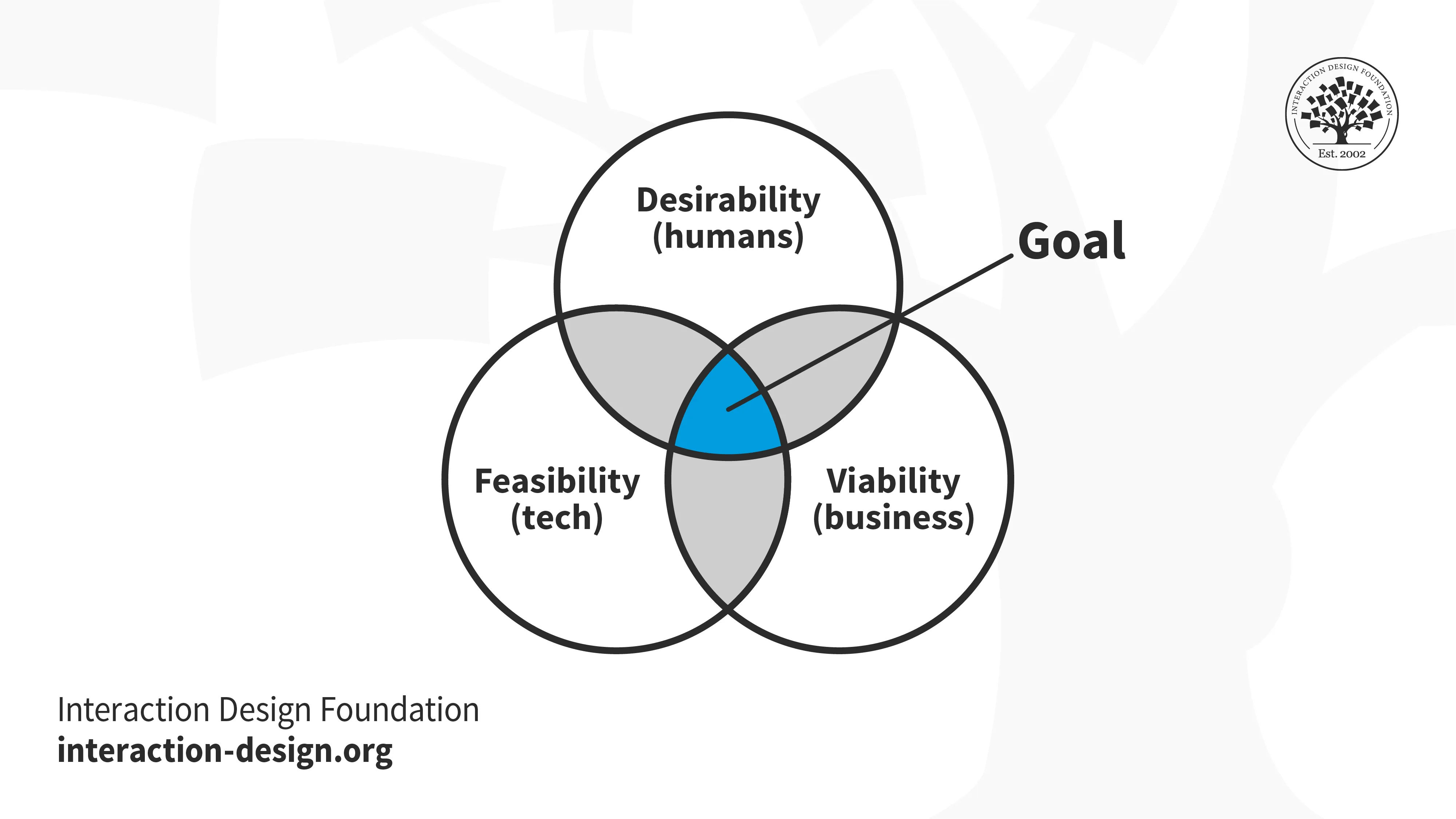
Remember where the goal area is.
© Interaction Design Foundation, CC BY-SA 4.0
3. Don’t Overcomplicate the Design
Confusion and “work” are the two chief enemies of good design in this sense. Ill-executed and poorly optimized checkout forms—where a complex process leads to increased cart abandonment rates—can sink a brand’s reputation. Designers should try to pre-empt what users need to do as much as possible—with well-considered and ethically designed features and patterns. When users have a simple, clean design before them, effective information architecture and with checkout and CTA buttons easily visible—and no text-heavy pages—it can greatly improve user engagement and conversion rates. What’s more, engaging visuals can play a crucial role to carry information effectively and help boost conversions.
Watch our video to understand more about how important a well-designed information architecture is:
Overall, conversion rates are barometer readings that tell brands what climate they create for their users—and customers—and can point the way to significant improvements. Because of this, designers have got to appreciate the intricacies of how to gauge what’s most effective—and attractive as a value proposition—in this atmosphere so they can convert passive users to become active participants. Within this calculus, designers have to think about their brand’s goals, too. For example, massive price reductions may cause conversions—but such sales won’t likely help maximize business objectives over the long term.
It takes a careful eye for detail and an incisive ability to analyze the data for designers to tailor the solutions that get—and retain—high conversion rates. When designers work with the best data and aim above just excellent visual appeal and superior navigability, they can prove to all users that the brands they encounter are worth staying with and returning to, time and time again.