Context mapping is a research method that helps designers explore and visualize the physical, emotional, social, and cultural environments in which people use products and services. It helps uncover deep insights into user behavior, needs, and motivations, especially ones that users cannot easily articulate in interviews or surveys.
“The experience is about how we get there, not the landing place.”
— Bill Buxton, Human-Computer Interaction (HCI) Pioneer
Watch as CEO of Experience Dynamics, Frank Spillers discusses context of use.
Why Use Context Mapping?
Context mapping helps UX (user experience) designers and researchers look beyond the obvious of what users experience. UX context maps can help UX professionals plot a course towards solutions that will deeply resonate with their target audience. More precisely, with context mapping you can:
Reveal hidden needs: Users may not know what they need—or they might struggle to put it into words. So, approaches like interviews might miss the mark on the core issues or needs that users want a product or service to address. Contextual research exposes these needs through real-life storytelling.
Inspire innovative ideas: When you understand the user’s world deeply, new product opportunities often emerge. A context map can help you and your design team feel out the real edges of a problem—and from there discover fresh angles on the realities users face. These insights might be extremely hard to access via other means.
Foster empathy across teams: Mapping exercises create vivid, human-centered narratives that align teams around user experience. For example, a well-made context map can show the unseen forces that shape user behavior—factors like emotional states, cultural norms, social pressures, and environmental constraints. If your team can empathize with users at such levels, they can truly get behind them and advocate for them at an altitude high above your brand’s competitors.
Support design decisions with evidence: Insights from context mapping can justify UX choices and guide prioritization. Mapping contexts well helps design teams pave the way with rich, qualitative data. From there, they can find their way towards designing more relevant, respectful, and empowering products—ones that reach users in ways that prove the brand understands them, in depth.
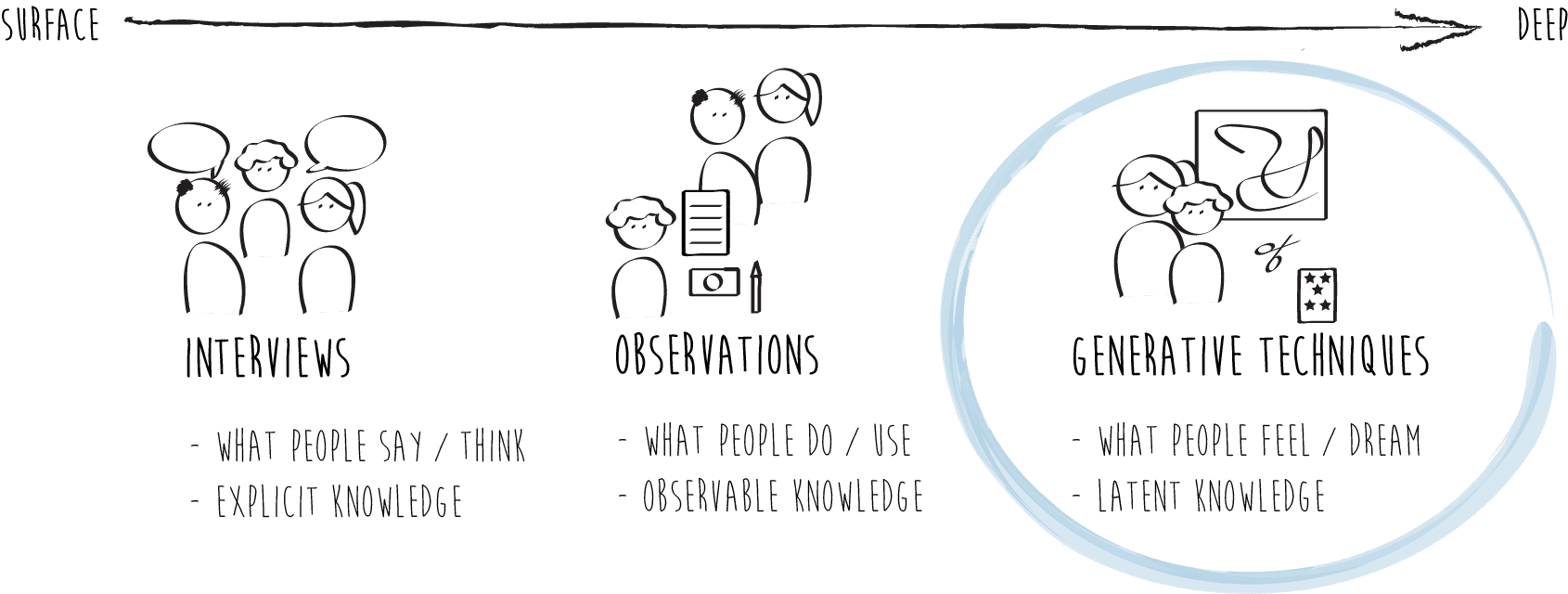
Context mapping can take various forms. Generative techniques like cultural probes, diaries, collages, and storyboards let users express their thoughts, emotions, and routines in their own terms. Service and product designers—or other design team members involved in UX research—analyze this input to discover latent needs and patterns that might otherwise remain hidden. Designers often use these findings to guide the creation of tools like personas and customer journey maps that align with users’ real-world contexts.
In this video, William Hudson, User Experience Strategist and Founder of Syntagm Ltd, explains why design without personas falls short.
One of the most potent benefits of context mapping is how it treats users as experts of their own lives and invites them to express their daily experiences in open-ended, often creative ways. That “democratization” element makes the users more a part of the process, and they’ll have a greater sense of ownership over what emerges as the product. Because you’ll have used context mapping to step into their shoes and understand their lived realities from their perspective, you can build solutions that feel natural and intuitive to them, not forced. Your digital product or service can fit into users’ lives and become part of their everyday experiences rather than disrupt them.

Context maps help you look at the “real deal” of what users need and want.
© Interaction Design Foundation, CC BY-SA 4.0
When to Use Context Mapping
You’ll find context mapping useful in the early exploratory phase of your design process. For example, in design thinking, you’ll want to apply it in the empathize phase—to dig deep into why users think and feel the way they do—before your team decides what to build. With context mapping, you dig into the “backstage” of human experience, explore possibilities, and start examining the problem space. This approach enables you to define the real problem at hand: What fears, frustrations, desires, or habits drive decisions? How does someone’s environment support their goals or hinder them?
You’ll find context mapping especially helpful when you need to:
Design for unfamiliar or underserved user groups.
Tackle emotionally charged or sensitive topics, such as health, finance, or education.
Create services or systems with many touchpoints and stakeholders.
Explore cultural, social, or environmental influences on behavior.
It’s better not to use context mapping when you need fast, conclusive answers. This method isn’t about validation—it’s about exploration and building true empathy. It requires time, interpretation, and synthesis. As such, it may not suit projects that demand quick, measurable results.
Watch our video about empathy to understand how it translates to happier users and more successful designs.
Context Mapping: A Step-by-Step Guide
This step-by-step approach is a general guideline to help you make the most of mapping contexts for UX design success:
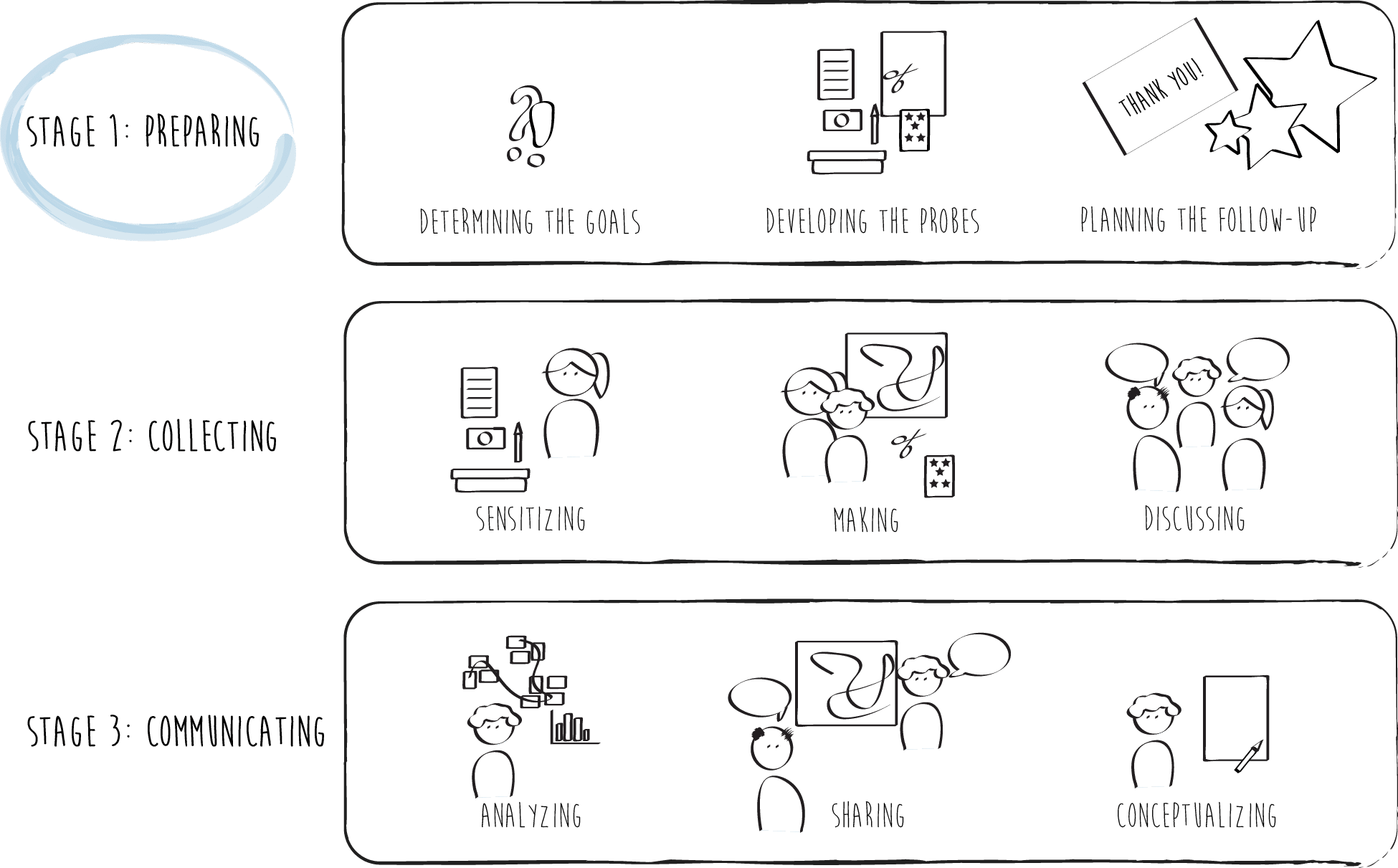
Step 1: Define Your Goals
To start, clarify your research objectives. What aspects of users’ lives do you want to explore? Are you interested in their routines, emotions, or beliefs? Is it their social interactions or environmental constraints? Frame your goals as open questions, like:
What motivates users to adopt a certain product or service?
What emotions do users associate with a particular activity?
What barriers do users face in completing specific tasks?
These questions will help you select appropriate research tools and shape the activities you’ll ask users to complete. For example, users might feel the gamification element in a fitness app inspires them to be consistent in exercising. However, in a less “positive” environment, such as a hospital waiting room, users might struggle with several environmental factors compounding their worries about an injury or symptoms.
Step 2: Select the Right Tools
Context mapping relies on generative techniques—methods that encourage users to create and share personal reflections. You want to tap their authentic, earnest input. Some common tools include:
Cultural probes: Kits that contain items like disposable cameras, diaries, mood stickers, or maps. Users use these items to stimulate and document their experiences over time.
Workbooks: Booklets with creative prompts or scenarios, designed to provoke thought and storytelling.
Collages and storyboards: Visual representations that help users express abstract concepts, feelings, or ideal future experiences. Storyboarding, for example, is a powerful technique in UX design borrowed from the world of film-making.
Experience maps: Timelines or journey maps that users create to describe their day, a task, or a service interaction.
Choose tools that match your users’ capabilities and the depth of insight you want. For example, cultural probes work well for insights where you need to track users in studies that last longer periods. Meanwhile, collages are great for short, focused sessions.
Watch Author and Human-Computer Interaction (HCI) Expert, Professor Alan Dix explain important aspects of cultural probes:
Step 3: Recruit Participants
Now, it’s time to find who will provide the best insights. So, identify a diverse group of participants who represent your target audience. Aim for variety in age, background, lifestyle, and behavior. Because context mapping often explores sensitive or personal territory, pick people who feel comfortable reflecting on their experiences and who are likely to be open and expressive.
Provide clear instructions, and if you’re using physical kits, explain how each tool works. Ensure users feel supported, but don’t lead them; let them interpret prompts in their own way.
Step 4: Collect Data Over Time
Unlike structured interviews, context mapping encourages participants to engage with the tools in their own environment and on their own schedule. So, give them time—usually several days to a week. Check in occasionally, but don’t intrude. To get the most authentic results, let them explore the materials naturally.
For in-person workshops, facilitate generative sessions where participants complete exercises like collage-making, journey-mapping, or group storytelling. These sessions often spark deep discussions and shared understanding.
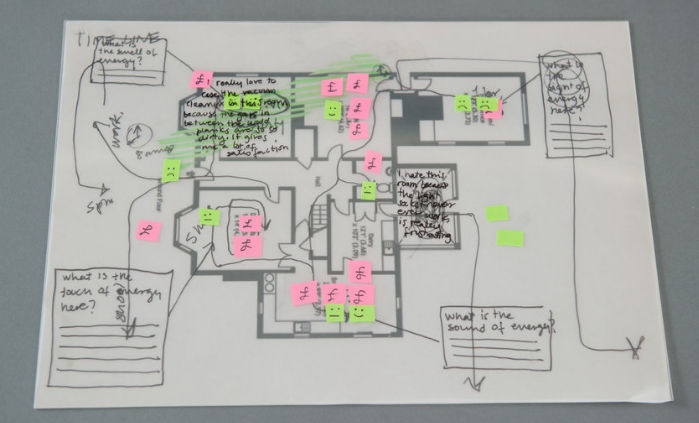
A probe kit asking users to map their routine. Probe kits are excellent tools for users to mark down what matters to them (including where, when, why, and other factors), offering key insights for designers to analyze and work with.
© James Janega, Fair Use
Step 5: Analyze the Results
Once you collect the materials, immerse yourself in the data. Look for recurring themes, surprising insights, emotional moments, and contradictions. Use affinity diagramming to cluster ideas and draw connections. Identify user needs, values, emotions, and behaviors.
Ask:
What are users saying directly?
What are they implying indirectly?
What feelings or goals seem to drive their actions?
How does their environment shape their choices?
Then, translate your findings into design opportunities, user requirements, or principles that can guide the next phases of your project.
In this video, William Hudson explains how to create affinity diagrams.
Step 6: Share and Apply Insights
Synthesize your findings into compelling formats—ones that help stakeholders connect with the user experience. You’ll likely find opportunity areas and problem framing to inspire ideation and align cross-functional teams. Context mapping helps everyone—from designers to developers to executives—see the bigger picture. When you’ve got a clear view of what the users’ world truly looks like, complete with all the fineries of how they experience and function with that world, you’ll be able to answer their needs with a solution that delivers in full.
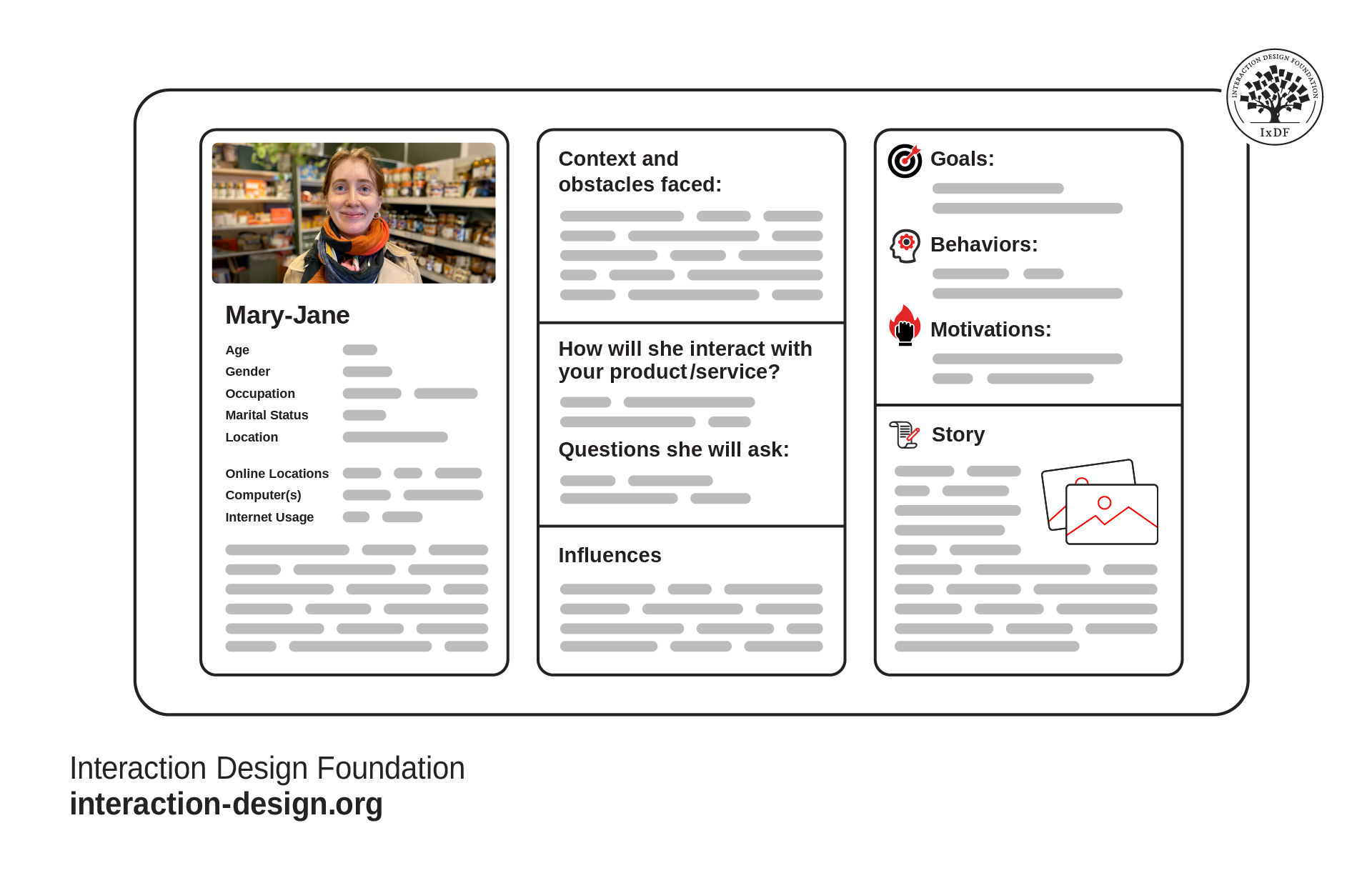
Personas can benefit from the research designers or researchers do through context mapping.
© Interaction Design Foundation, CC BY-SA 4.0
What Are Examples of Context Mapping?
1. Designing a Sleep App for Shift Workers
A UX team wants to design a mobile app to improve sleep hygiene for nurses working night shifts. Through cultural probes—including sleep diaries, mood logs, and photo journaling—they discover that users struggle with inconsistent routines, ambient noise, and emotional stress.
Instead of generic sleep tips, the team design personalized content, quiet-time reminders, and adaptive schedules that match real-world constraints. The app also includes community features so users can connect with peers who face similar challenges.
2. Rethinking Public Transit for Urban Youth
A city innovation lab working with a municipality explores how teenagers in low-income neighborhoods use public transport. Using collage-making, travel maps, and storytelling sessions, the team uncover surprising patterns—like social anxiety on certain bus routes and the role of music as a stress-reliever.
The lab presents these insights and recommendations to the municipality, which leads to an experiment to incorporate music on the buses and in bus shelters so that riders can access it with headphones.
3. Improving the Hospital Discharge Process
Designers work with patients who have recently undergone surgery to understand the hospital discharge experience. They use storyboarding and emotional timelines to explore the journey from treatment to recovery at home.
Findings showed that patients often feel overwhelmed by paperwork and medical instructions. As a result, the team co-design a digital checklist with visual summaries, calendar integration, and family sharing features—and make transitions smoother and safer.
What Are the Best Practices for Context Mapping?
Be open to ambiguity: Let users interpret prompts their way. Insights often emerge from unexpected responses.
Embrace the mess: Generative data is rich and subjective. Don’t look for neat answers or cut-and-dried figures that tend to come with quantitative research. This is qualitative research—you’re after a deep understanding and firm grasp of human realities.
Create psychological safety: Users may reveal personal thoughts, but they might fall silent or distort information—especially if they feel rushed or worried about revealing something. Be respectful and sensitive; they’ve agreed to let you into their world as a “guest.”
Co-analyze with your team: Two heads—or more—are better than one, so invite teammates into the analysis process to surface diverse interpretations.
Balance analysis and action: Take the insights you and your team get and feed them into your design process quickly. You’ll be able to work with a fresh grasp of the situation and ideate accordingly.
Overall, context mapping offers designers a powerful way to understand users on a deeper, more human level. It’s a prime vantage point to get privileged insights into the environments, emotions, and experiences that shape how people use products. Do it well and you can fly high above surface behaviors and into the lofty realms of “why” behind user decisions—and get far richer (and more numerous) insights than you might from, for example, a semi-structured interview.
Remember, it’s a human world. Emotions, cultural constraints, and other factors that influence people (often without their even realizing it) demand a creative, exploratory process—one that invites users to share their stories on their own terms. The brands and organizations that serve this human world—be it healthcare, mobility, education, or any number of others—need to understand the people who turn to them for solutions. Context mapping can help ensure your designs resonate with real people in real situations. Use it well and it can turn the all-important element of empathy into strategy—and transform great ideas into grounded, impactful solutions that resonate because they deliver to the people you cared to involve from the start.





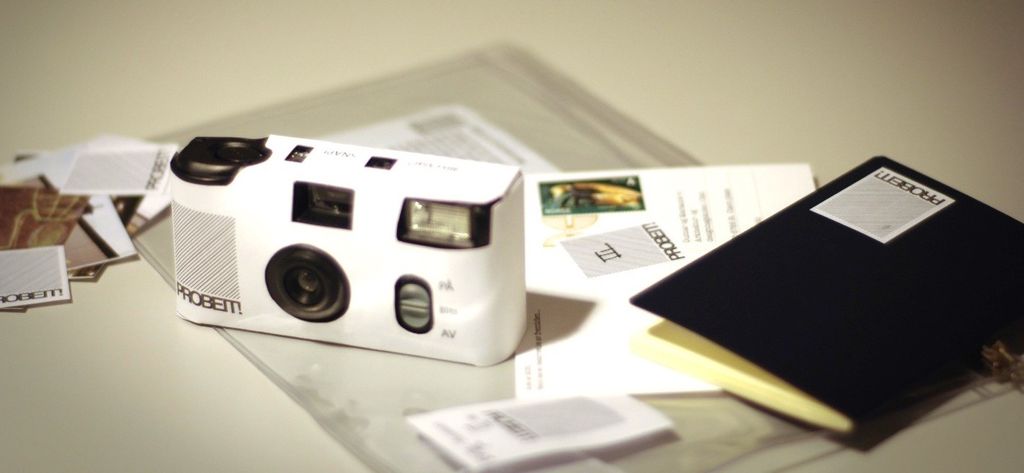
 Copyright holder: Priscilla Esser and
  Copyright holder: Priscilla Esser and Interaction Design Foundation, Adapted from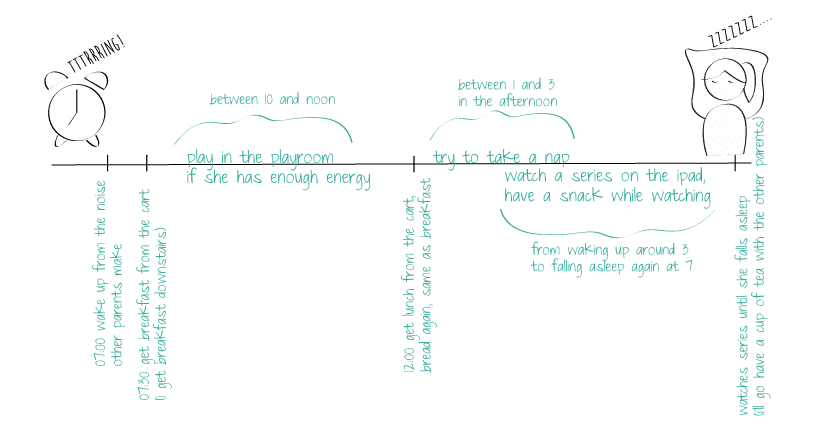
 Copyright holder: Liz West. Copyright licence: CC BY