Participatory design is a collaborative design approach that involves end-users in the design process. Its aim is to create products and services that better meet the needs and expectations of users by applying their knowledge and experiences.
Participatory design is also known as cooperative design, co-design or community design. Various fields use it, including architecture, urban planning, UX and product design.
The Principles of Participatory Design
Participatory design is built on the principles of collaboration, co-creation, and empowerment. Users contribute to the design process, which allows them to provide feedback, suggest ideas, and participate in decision-making. The goal is to create products and services that accommodate users’ needs and help them achieve their objectives.
Key Aspects of Participatory Design
This method arose from a need to diversify educational backgrounds and life experiences for designs used by a broad range of people. Tech industries have traditionally struggled over déformation professionnelle, or professional bias, and participatory design is a solution. However, designers need to adhere to these principles to make truly participatory designs:
Inclusion: Include a diverse range of participants who will be affected by or interact with the product, system or problem that needs to be solved. This includes end-users, designers, developers, domain experts, and other stakeholders.
Collaboration: Involve collaborative activities where participants can contribute their knowledge, insights, and ideas. This collaboration can take various forms, such as workshops, interviews, brainstorming sessions, and co-design exercises.
Empowerment: Empower users and stakeholders to actively influence design decisions. Their input and feedback are valued and incorporated into the design process, giving them as much ownership and control as designers.
Iteration: Iterate; the design process is iterative, with continuous feedback and refinement. Participants should help evaluate prototypes, provide feedback, and suggest improvements. This iterative approach helps ensure that the final design meets user needs effectively.
Contextual understanding: Listen to the participants to understand the context in which the final product or system will be used. Learn the cultural, social, and environmental factors to create solutions tailored to their specific context.
User advocacy: Allow users to advocate for themselves throughout the design process. Address power imbalances and ensure design decisions prioritize users' interests and goals. The goal is to create an equal and safe space for collaboration and co-design.
Participatory Design and UX Design
Participatory design is a natural complement to UX design because it actively seeks user feedback and input throughout the design process. UX design is most often user-focused, or human-centered. In the early stages of development, designers will learn about the problem users have and how it affects them.
UX designers can use those insights into user needs, preferences, and behaviors, to inform design decisions and help to create products, services, or systems that are more user-friendly and effective. However, during development, designers will only directly involve users when a new prototype needs to be tested.
In contrast, participatory design involves users in the design process itself. The end-users will often be in the room for ideation sessions, and provide design feedback throughout the process. It democratizes who makes decisions for the people the solutions affect most.
The trade-off is that it requires a lot of time and effort from your participants, so this approach is usually most successful with groups that are already passionate and knowledgeable, or are professionals themselves in the field you work in.
Origins of Participatory Design
In this video, Victor Udoewa, Service Design Lead at NASA’s Small Business Innovation Research and Small Business Technology Transfer Research (SBIR/STTR) Program, discusses participatory design's origins. Victor makes the case that, in many ways, participatory design is how humans naturally go about solutions. In one way or another, it has been around as long as humans have.
In more recent history, participatory design comes from the work of Scandinavian researchers in the 1970s and 1980s, particularly in the field of human-computer interaction (HCI).
Participatory Design in Practice
Participatory design is not necessarily elaborate. It is primarily about involving users in the design process. Watch Laura Klein, UX/Product Lead and author of Build Better Products, discuss card sorting as an example of participatory design.
The Benefits of Participatory Design
Participatory design has several benefits for both designers and users.
Improved user satisfaction: Participatory design can lead to products, services, or systems that are better suited to users' needs. When designers involve users in the design process, they get a deeper understanding of user needs and preferences that they may have otherwise overlooked, which can lead to a better user experience.
Increased user engagement: When users participate in the design process, they are more likely to feel invested in the final product, service, or system. This participation can lead to increased user engagement and greater ownership over the outcome.
Reduced development costs: Participatory design can help identify design flaws early in the process, saving time and money in the long run. Users involved in the design process will help designers catch potential issues before they become costly problems.
Improved innovation: Participatory design helps designers gain insights into new and innovative problem-solving methods. Users often have unique perspectives and ideas that can lead to breakthroughs in design.
Increased social inclusion: Participatory design can help to ensure that products, services, or systems are accessible and inclusive to all users, including those who might otherwise be marginalized or excluded.
Participatory Design in the Real World
In the early 2000s, the municipal authorities in Bogotá, Colombia, embarked on a participatory design project to improve the public transportation system. The city's leaders recognized that the existing system was inadequate, inefficient, and often dangerous, and they wanted to involve the city's residents in designing a better approach.
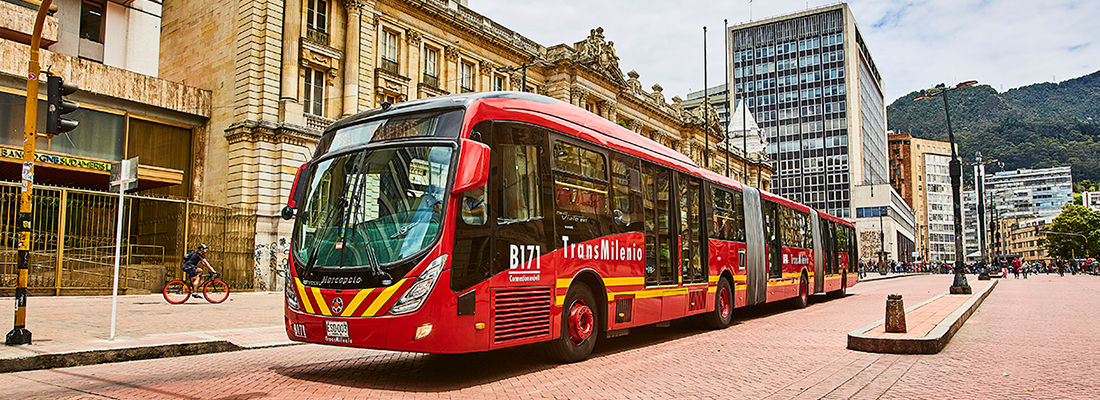
A TransMilenio bus.
© TransMelenio, Fair Use
The "TransMilenio" project involved a series of community meetings, workshops, and design charrettes (intensive, hands-on workshops that bring together community members and people from different disciplines and backgrounds). Residents could provide input and feedback on the new system's design. The city's leaders also worked with transportation experts and urban planners to create an effective and user-friendly system.
As a result of the participatory design process, the TransMilenio system had features important to the city's residents, such as dedicated bus lanes, stations with high platforms for easy boarding, and pre-paid tickets to speed up boarding times. The system has since reduced travel times, improved safety, and increased residents' access to jobs and services.
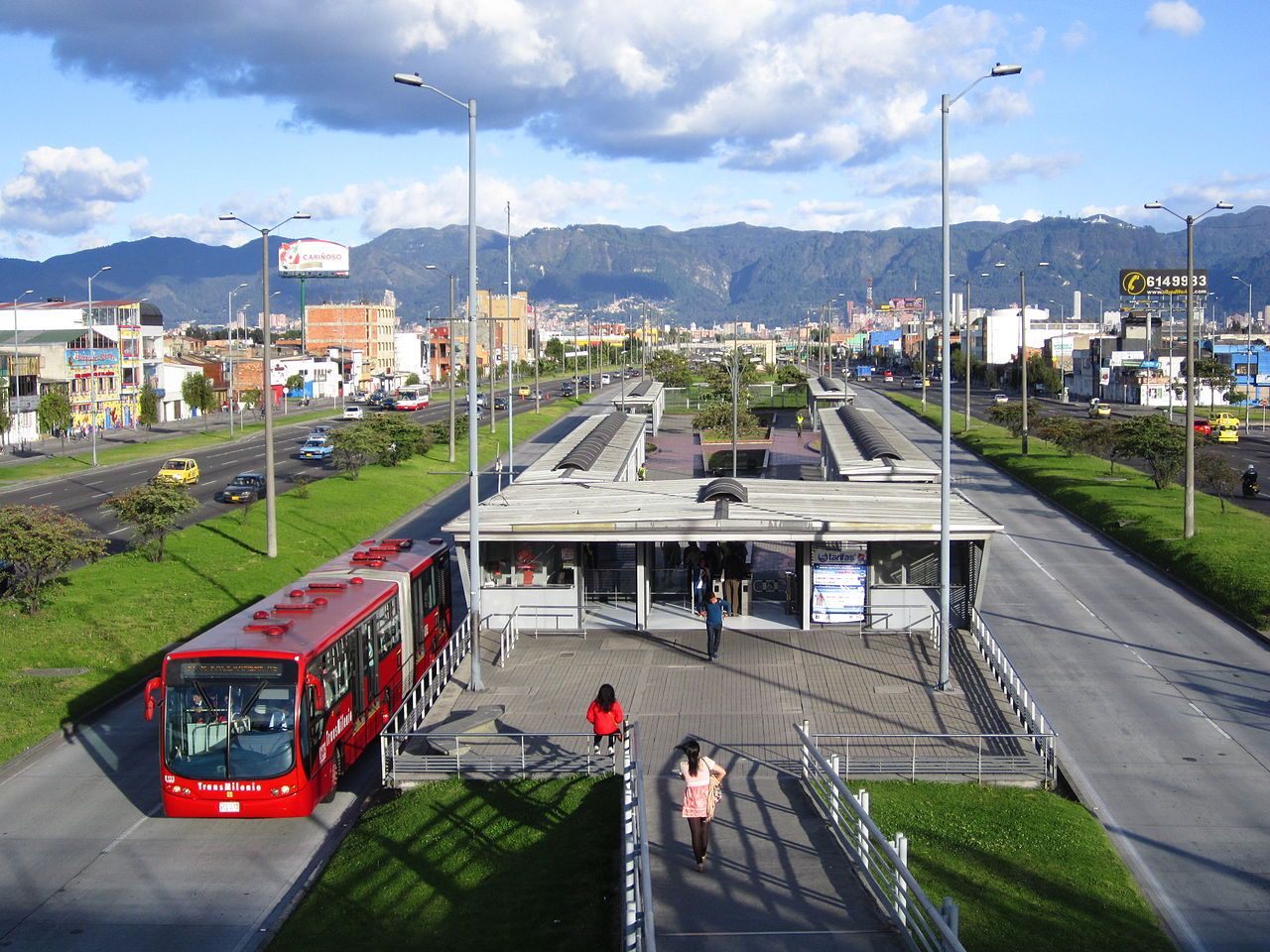
The TransMilenio transport service incorporated riders’ requirements for dedicated bus lanes and stations with high platforms for easy boarding.
© Felipe Restrepo Acosta, CC BY-SA 3.0
The success of the TransMilenio project has inspired other cities worldwide to adopt participatory design methods to improve their transportation systems, demonstrating the power of involving users in the design process to create more effective and user-friendly solutions.
When Should You Use Participatory Design?
Participatory design has several benefits for designers and users, and has much in common with UX design. Designers can create more user-centered, effective, and socially inclusive products, services, or systems when users are engaged in the design process.
This approach is best used for products or services that affect many different types of people, like city or government projects or services.
Smaller grassroots-led projects might bring on designers to engage with them in participatory design projects and vice versa.
However, participatory design requires a heavy investment by the end-user, which is not always likely or practical without strong incentives. It also requires a great deal of trust from the community you serve.