Using Design Patterns: Doing It Again Without The Hard Work

• 8 min read

695 Shares

Design is hard work and focusing on solving user and customer problems is the crux of that work. If you can find a tool that keeps that focus whilst eliminating some of the hard work then it’s clearly advantageous to use that tool. That’s where design patterns come in. They save designers from having to reinvent the wheel in their design efforts and allow them to keep focus on solving problems instead.

What is a Design Pattern?

A design pattern is simply a reusable idea, design or code structure that has already been optimized for the purpose it is intended for. It is a very common approach in software design and development (though the approach for a software design pattern must be language agnostic and thus implementable on any development project) and in more visual design approaches too (such as UI design or help screen design).

Petrula Vrontikis, the leading designer and design educator says; “Practice safe design: use a concept.” Design patterns are concepts which have been fully fleshed out and are applicable to more than one project.
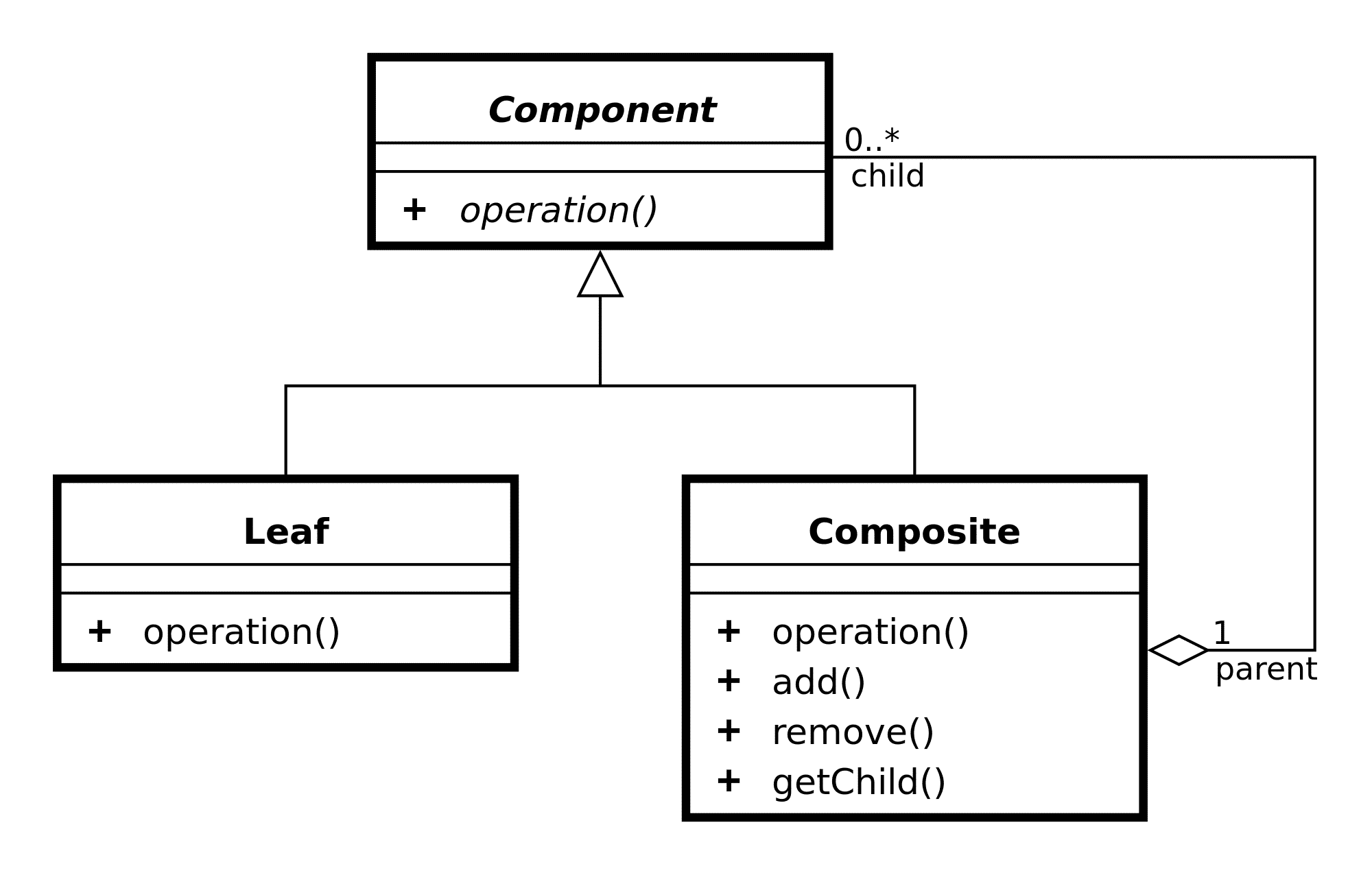
An example of the use of design patterns in software engineering.

© Aaron Rotenberg, Public Domain

What Goes Into a Design Pattern?

How long is a piece of string? It’s one of those questions. Design patterns can be used for so many different applications that there’s no standard for developing a design pattern. In general, the best design patterns act as guides to implementation in any circumstance that the concept may be needed in. That means that software patterns should not be based on code but rather on principles which can be implemented in any language. Graphic design patterns should be detailed enough that they can be quickly adapted to another project but not so detailed that they constrain rapid adaption. Learning design patterns should be high-level enough that they can be moved from a course on software development to a course on leadership without endless reiteration and so on….
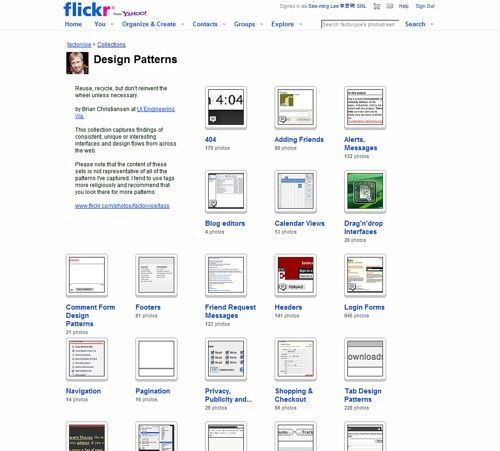
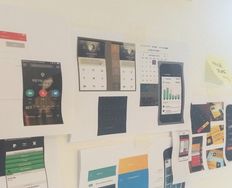
There are no hard and fast rules for design patterns, but to be useful they are often compiled into pattern libraries like this one.

© Unknown, Unknown

Creating Design Patterns

While there are no hard and fast rules for what goes into a design pattern – if you are going to create design patterns within your business you should:

  • Define what the design pattern is to be used for and clearly label that use on the pattern

  • Ensure that you version control design patterns so that latest revisions of a pattern are always preferred to earlier versions

  • Store design patterns somewhere that they can easily be accessed by all relevant parties – that means either in a physical location which can be accessed by all or in a server location that can be accessed by everyone – design patterns are of no value if they cannot be gotten to when they are needed

  • Regularly review design patterns for their utility – are they still a solution to a regularly occurring problem or can they be ditched? For example if you’ve made the move to social media logins for apps and websites – old school registration forms might need to be removed from your design pattern library.
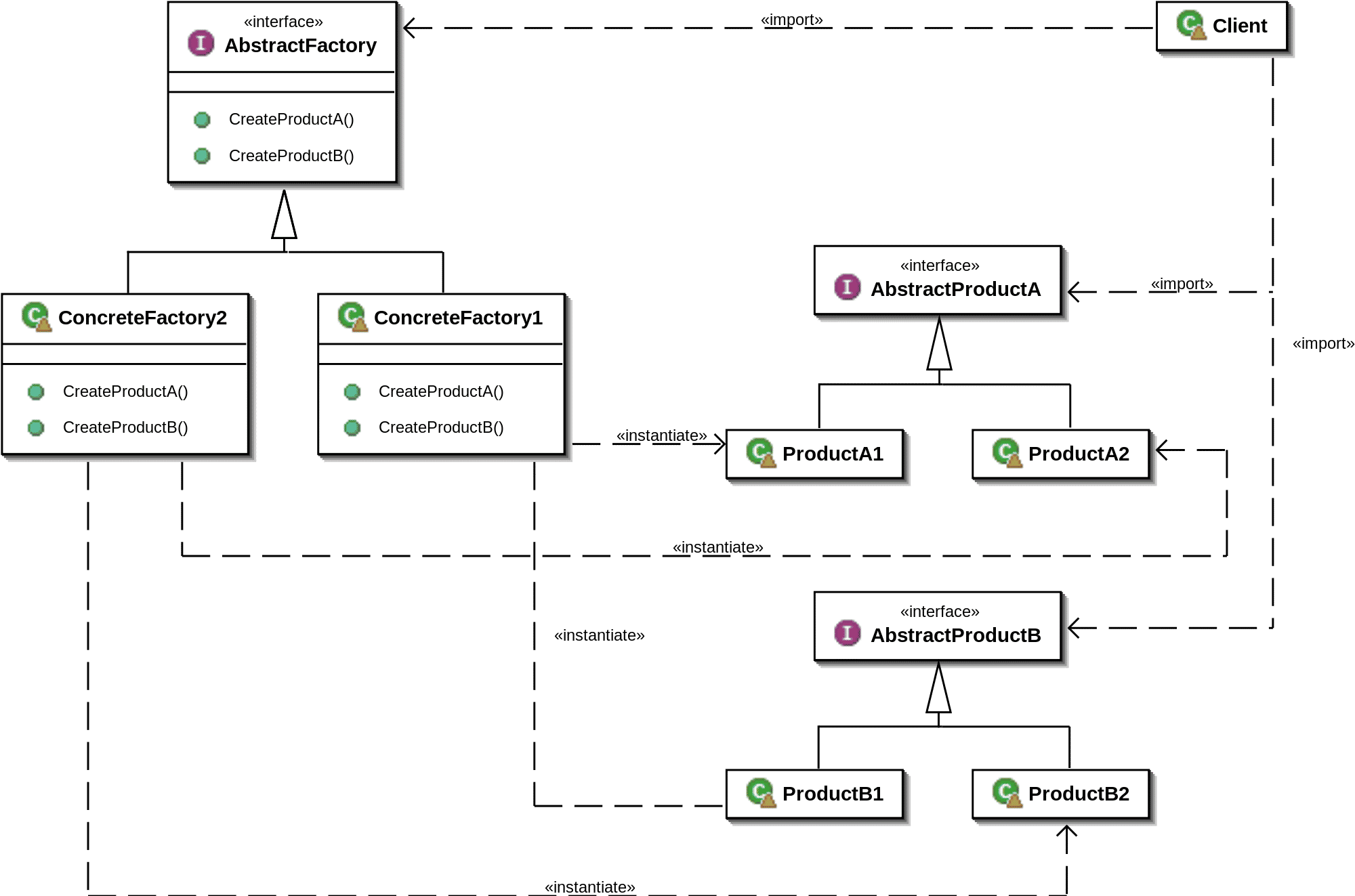
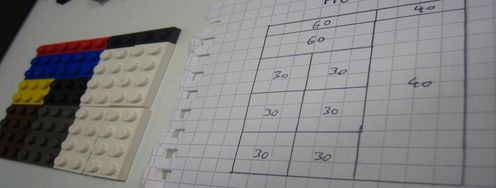
Design patterns can have many uses. Here’s an abstract of a factory’s design pattern.

© Giacomo Ritucci, CC BY-SA 3.0

The Advantages of Design Patterns

Design patterns are useful in terms of:

  • Saving time – a pre-built solution to a regularly occurring problem means that there’s no need to reinvent the wheel, you can pull the solution off the shelf and implement it

  • Saving money – when you save time, you also save money in a corporate environment

You may also find that you can source design patterns (for free or at a small cost) from other organizations or online. This can reduce the effort required to create the patterns themselves.

The Disadvantages of Design Patterns

Design patterns may also cause issues when their use is not carefully considered including:

  • They prevent proper consideration of a problem. Sometimes a problem is not what it appears to be – reaching for a pre-built solution to the wrong problem can add time and cost more money to design and development lifecycles.

  • They may be irrelevant in certain circumstances. Software design patterns, in particular, may be irrelevant if the style of programming language is different to the previous style that the pattern was developed for. There are many different ways of handling things in different software languages and even when a language agnostic approach is employed; it can be difficult to capture these differences meaningfully in a pattern.

  • They may introduce inefficiency into the final product or solution. What was the best solution last year is not guaranteed to be the best solution this year. Even if the pattern still solves the problem – it may not solve it in the best way possible.

  • They require management. In order to be useful design patterns need to be created carefully (which costs time and money) and stored in a way so that they are accessible to everyone who needs them. In addition you may need to educate people on the use and creation of these patterns.
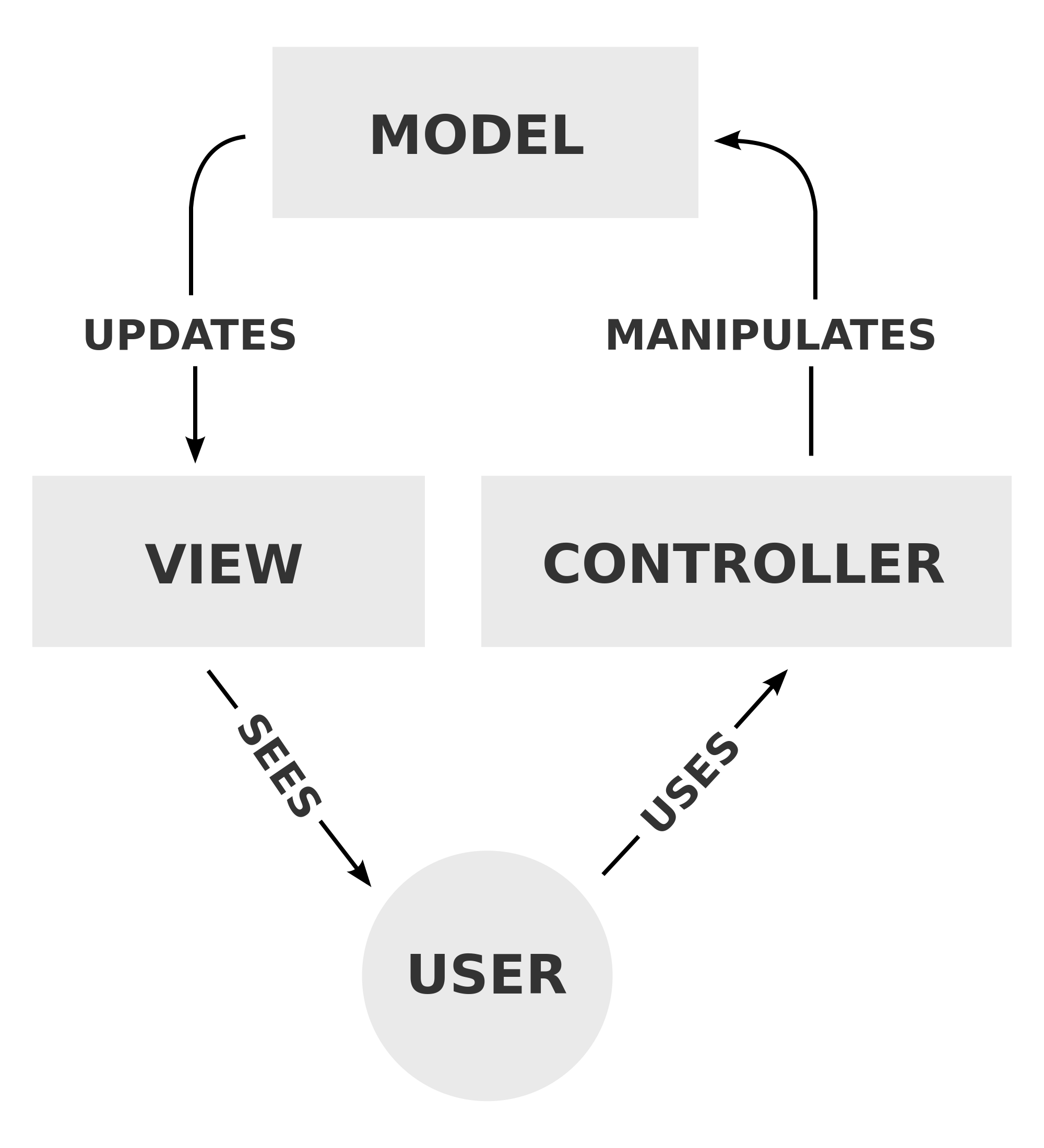
An example of a simple UI design pattern–these can rapidly become much more complex and valuable as needed.

© RegisFrey, Public Domain

The Take Away

Design patterns offer an “off the shelf” approach to solving recurring problems in design. They can be very effective in terms of saving time and money on design projects. On the flip side, if their use is not carefully considered they can actually impede the delivery of high quality design projects. It is important that if patterns are to be used that they are created carefully for reuse and that they can be accessed by anyone who needs them easily.

Resources

Wanting to create some software design patterns? Here’s a good walkthrough for you - http://code.tutsplus.com/articles/a-beginners-guide-to-design-patterns--net-12752

You can find some excellent examples of UI design patterns here - https://www.smashingmagazine.com/2009/06/10-ui-design-patterns-you-should-be-paying-attention-to/


Learn More in This Course:

AI for Designers

10 days
16 % booked
View Course

What You Should Read Next

  • Read full article
    What is Interaction Design? - Article hero image
    Interaction Design Foundation logo

    What is Interaction Design?

    Interaction design is an important component within the giant umbrella of user experience (UX) design. In this article, we’ll explain what interaction design is, some useful models of interaction design, as well as briefly describe what an interaction designer usually does.A simple and useful unders

    Social shares
    1.5k
    Published
    Read Article
  • Read full article
    Apple’s Product Development Process – Inside the World’s Greatest Design Organization - Article hero image
    Interaction Design Foundation logo

    Apple’s Product Development Process – Inside the World’s Greatest Design Organization

    Apple’s Product Development Process may be one of the most successful design processes ever implemented. With a valuation that exceeds $2 trillion, there’s a lot that designers can learn from Apple and introduce into their own design environments.Apple is a notoriously secretive business. In Steve J

    Social shares
    1.4k
    Published
    Read Article
  • Read full article
    10 Great Sites for UI Design Patterns - Article hero image
    Interaction Design Foundation logo

    10 Great Sites for UI Design Patterns

    You don’t want to spend your whole life redesigning the wheel, do you? No, neither do we. If you are looking for a design that solves a problem that has been solved with a different application before, then the template for your wheel is probably already out there. This lets you save time and make a

    Social shares
    1.4k
    Published
    Read Article
  • Read full article
    Shneiderman’s Eight Golden Rules Will Help You Design Better Interfaces - Article hero image
    Interaction Design Foundation logo

    Shneiderman’s Eight Golden Rules Will Help You Design Better Interfaces

    Follow Ben Shneiderman’s 'Eight Golden Rules of Interface Design' if you want to design great, productive and frustration-free user interfaces. Apple, Google and Microsoft are among some of the highly successful companies whose well-designed products reflect Shneiderman’s rules. The characteristics

    Social shares
    1.4k
    Published
    Read Article
  • Read full article
    User Interface Design Guidelines: 10 Rules of Thumb - Article hero image
    Interaction Design Foundation logo

    User Interface Design Guidelines: 10 Rules of Thumb

    Learn to design with your user’s needs and expectations in mind by applying Jakob Nielsen and Rolf Molich’s Ten User Interface Guidelines. These heuristics have been reflected in many of the products designed by some of the most successful companies in the world such as Apple, Google, and Adobe. Fur

    Social shares
    1.4k
    Published
    Read Article
  • Read full article
    How to Change Your Career from Graphic Design to UX Design - Article hero image
    Interaction Design Foundation logo

    How to Change Your Career from Graphic Design to UX Design

    If there’s an occupation that is 100% linked with the public’s idea of what design is all about, it’s graphic design. From the familiar golden arches of the McDonald’s brand to the typography and colors of movie posters, graphic designers create some of the most iconic and ubiquitous designs around

    Social shares
    1.4k
    Published
    Read Article
  • Read full article
    Repetition, Pattern, and Rhythm - Article hero image
    Interaction Design Foundation logo

    Repetition, Pattern, and Rhythm

    Let’s look at three subjects that, at first glance, may strike you as being incredibly basic and self-explanatory. However, although they may seem like they should need no introduction, we should study them. By understanding these concepts, you’ll be able to apply them more effectively to captivate

    Social shares
    1.4k
    Published
    Read Article
  • Read full article
    The Grid System: Building a Solid Design Layout - Article hero image
    Interaction Design Foundation logo

    The Grid System: Building a Solid Design Layout

    Now that we’ve seen some grids at work in the Rule of Thirds article, let’s examine them a little more deeply. As a concept that deals so fundamentally with the fabric and background of our work as designers, it’s easy to overlook the power of grids and think more about the elements we want to creat

    Social shares
    1.4k
    Published
    Read Article
  • Read full article
    The Principles of Service Design Thinking - Building Better Services - Article hero image
    Interaction Design Foundation logo

    The Principles of Service Design Thinking - Building Better Services

    Service design is all about taking a service and making it meet the user’s and customer’s needs for that service. It can be used to improve an existing service or to create a new service from scratch. In order to adapt to service design, a UX designer will need to understand the basic principles of

    Social shares
    1.4k
    Published
    Read Article
  • Read full article
    The Golden Ratio - Principles of form and layout - Article hero image
    Interaction Design Foundation logo

    The Golden Ratio - Principles of form and layout

    Now, we’re going to look at a subject that comes directly from mathematics and that we can also find all around us – the golden ratio. Don’t worry; we’re not going back into the classroom for long. We will examine what this concept is and exactly how much it is a fundamental part of making designs p

    Social shares
    1.3k
    Published
    Read Article

Top Articles

Top Topic Definitions

Feel Stuck?
Want Better Job Options?

AI is replacing jobs everywhere, yet design jobs are booming with a projected 45% job growth. With design skills, you can create products and services people love. More love means more impact and greater salary potential.

At IxDF, we help you from your first course to your next job, all in one place.

See How Design Skills Turn Into Job Options
Privacy Settings
By using this site, you accept our Cookie Policy and Terms of Use.
Customize
Accept all

Be the One Who Inspires

People remember who shares great ideas.

Share on:

Academic Credibility — On Autopilot

Don't waste time googling citation formats. Just copy, paste and look legit in seconds.

Feel Stuck? Want Freedom?

Get one powerful email each week, like 326,171 others.

Learn to design a life you love.

Next email in
6
days
19
hrs
15
mins
25
secs