What makes some professionals consistently stand out—regardless of their role, industry, or resources? It’s not just talent or tenacity. The real differentiator is this: they understand the people they’re trying to serve. Whether you're designing a product, launching a campaign, leading a team, or shaping strategy, personas—research-based profiles of your users, customers, or stakeholders—can help you make smarter decisions, align your team, and advance your career.
Why Understanding People Is the Real Competitive Edge
People don’t all think, act, or decide in the same way. What motivates a budget-conscious shopper might not matter to a time-poor executive. A seasoned web developer and a first-time app user expect completely different things from your product, service or experience. If you treat them the same, you lose them both.
Without a clear understanding of your audience, you might:
Build the wrong solution
Deliver a message that misses the mark
Experiences that feel clunky or irrelevant
On the other hand, if you prioritize user understanding you will create solutions, products and experiences that resonate, engage, and deliver real value. And that’s what makes the difference.
What Are Personas?
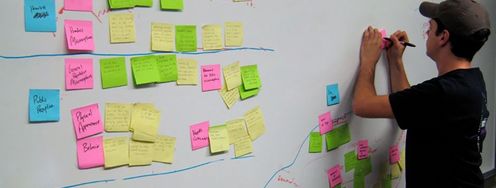
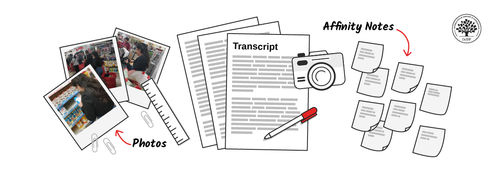
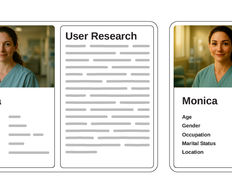
Personas are fictional but data-driven profiles that represent the key types of people you design for or work with. They’re not based on assumptions—they're built from research: interviews, observations, surveys, analytics, behavioral insights, and other methods.
Before diving into what personas are, it’s important to understand why they’re needed in the first place. In this video, William Hudson, User Experience Strategist and Founder of Syntagm Ltd, explains how most systems fail to center users—and how personas help teams refocus and design for real people.
Instead of thinking about “users” or “customers” as a vague crowd, personas give you clear, focused representations of specific segments.
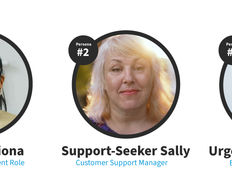
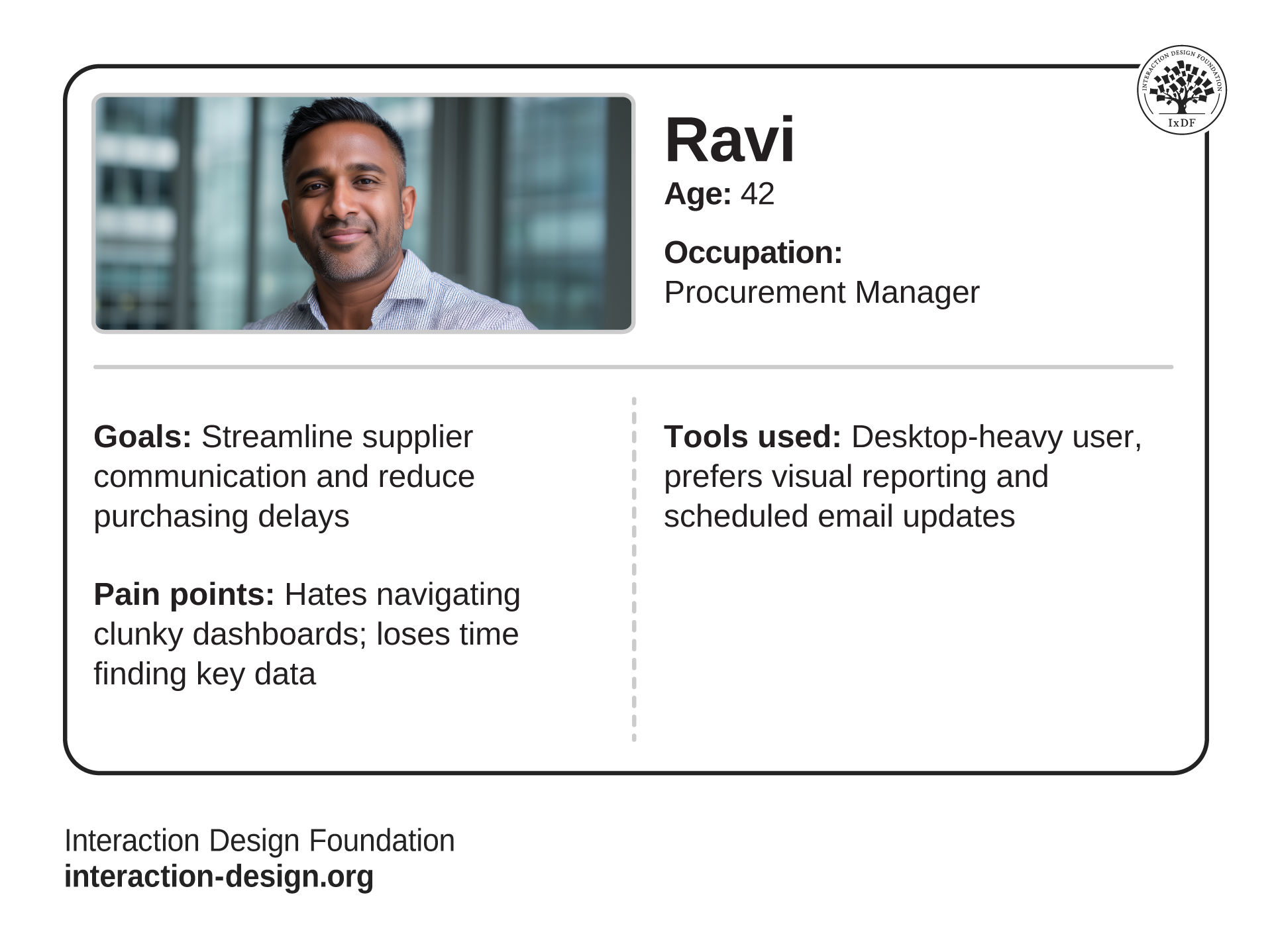
A persona might look like this:
Name: Ravi
Age: 42
Occupation: Procurement Manager
Goals: Streamline supplier communication and reduce purchasing delays
Pain points: Hates navigating clunky dashboards; loses time finding key data
Tools used: Desktop-heavy user, prefers visual reporting, and scheduled email updates
Now imagine designing a dashboard feature or writing a marketing email for your users versus doing it for Ravi. Suddenly, your decisions are more informed, more human, and more effective.
© Interaction Design Foundation, CC BY-SA 4.0
How Personas Humanize Decision-Making
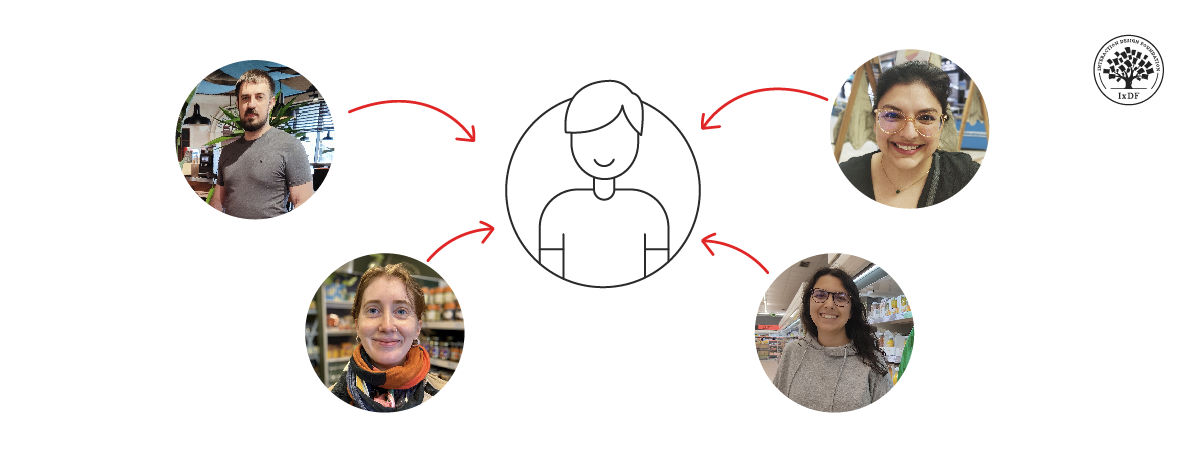
One of the most powerful aspects of personas is their ability to make users feel real to the people with decision-making power. Without them, teams often talk about “the user” in vague or abstract terms—an invisible figure who clicks, buys, or drops off without much context. But users aren’t just data points. They’re people. Personas bring those people into the room.
When you design a feature, plan a campaign, or decide what to prioritize, you’re no longer thinking about “users” in general—you’re thinking about Luis, the small business owner who juggles everything himself, or Jasmine, the college student who wants to learn on the go but has a limited data plan. Personas give decision-makers a face, a story, and a perspective to consider.
This human layer doesn’t just make a difference—it changes the way teams think, build, and collaborate. This level of specificity shifts how teams work:
Designers begin with empathy, not features.
Marketers craft messages that reflect real motivations, not generic personas.
Product teams prioritize problems worth solving, not just what’s technically feasible.
Leaders see users not as metrics, but as people whose experiences shape the success of everything they build.
Without this human lens, it’s easy to chase trends, optimize the wrong journey, or speak to everyone—and reach no one. With it, you create products, services, and strategies that connect, resonate, and serve people as they truly are.
When you use a persona, like Ravi, you can ask yourself these questions to guide your decisions in the right direction:
“Would Ravi find this confusing?”
“Would this feature actually help Anita reach her goal?”
“Does this align with Jamal’s day-to-day workflow?”
These questions keep teams grounded in the lived experiences of the people they’re designing for—and that leads to better, more human-centered outcomes.
How Smart Professionals Use Personas to Get Ahead
© Interaction Design Foundation, CC BY-SA 4.0
Personas can help you advance your career in several ways.
1. To Make Better Decisions
Personas help cut through internal bias. Instead of designing what you think people want, you’re designing based on what users need and how they behave. This leads to smarter, faster decisions with more confidence behind them.
Example: A product team redesigning an onboarding flow uses feedback from a “First-Time User” persona to simplify sign-up and reduce early drop-offs by 50%.
2. To Align Teams Around User Needs
Personas give everyone, from marketers and UX designers to developers and executives, a shared understanding of the target audience. That means fewer silos, better collaboration, and decisions grounded in what’s best for the user, not just what’s easiest to build or fastest to launch.
Example: An HR team and internal comms team use a shared persona—Natalie, a mid-career returner re-entering the workforce. Her persona highlights the need for clarity and confidence during hiring and onboarding. By aligning around her needs, both teams simplify job descriptions and personalize onboarding content, improving engagement and offer acceptance rates.
3. To Improve Products, Services and Experiences
When teams use personas consistently, they tailor experiences to real user needs, not just generic best practices or assumptions. This leads to better usability, more engagement, greater user satisfaction, and product success.
Example: A mobile banking app uses a “Tech-Reluctant Retiree” persona to ensure large fonts, simple language, and quick access to human support which results in a 30% drop in support tickets.
4. To Grow Your Career and Stand Out
When you know how to create and apply personas, you become more strategic—no matter your job title. It shows you understand people, can translate research into action, and can communicate cross-functionally. That’s leadership material.
Example: A support team lead builds internal personas to represent different customer types based on complaint patterns and feedback. This helps streamline escalation protocols and reduce resolution time—earning them a role in service design planning.
Personas in the Real World: How Top Companies Use Them
Let’s look at how industry leaders use personas to drive their success. These companies operate at scale, serve diverse audiences, and make high-stakes decisions—yet they still rely on deep user understanding to create products, services and experiences that feel personal, relevant, and effective.
Duolingo
© Duolingo, Fair Use
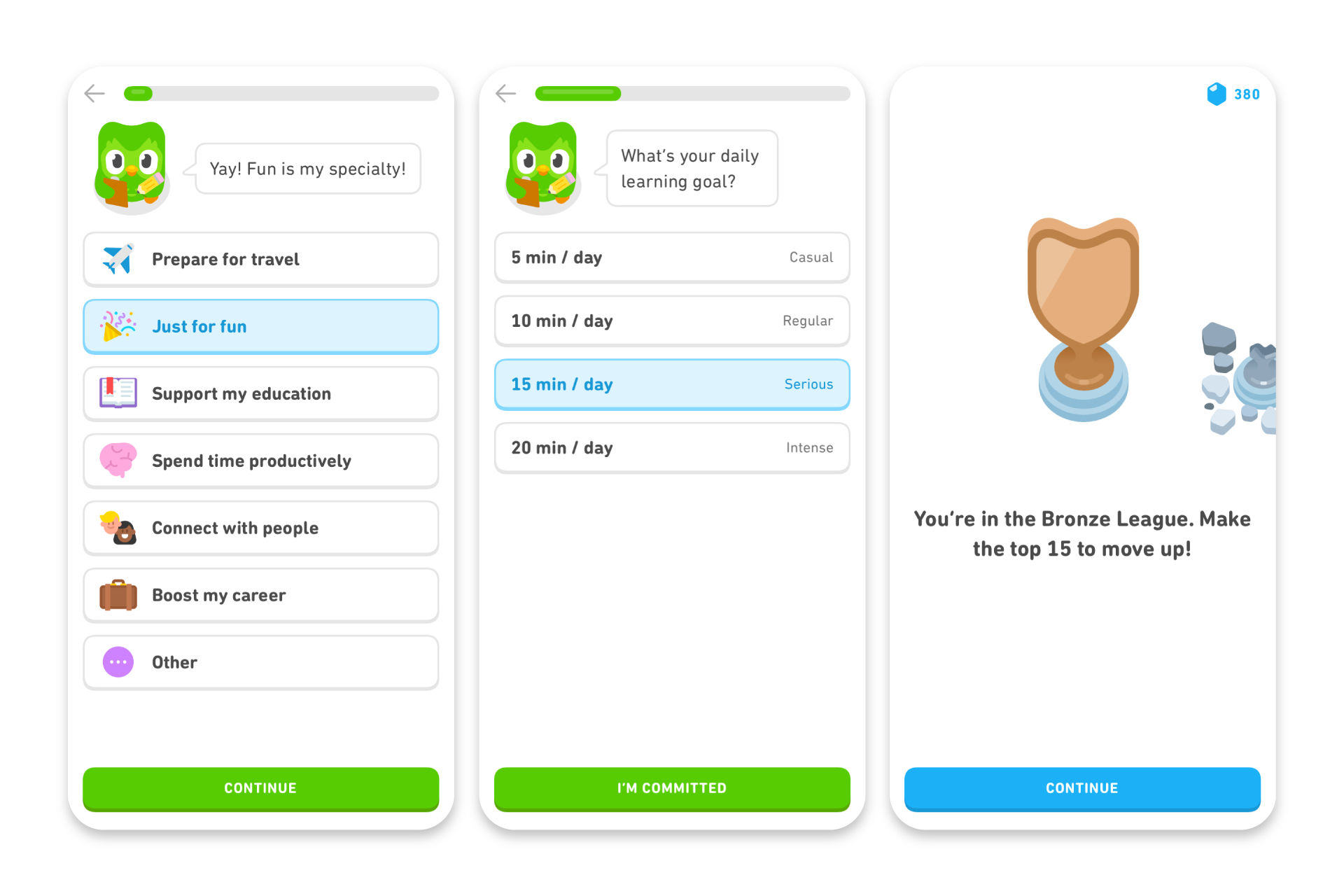
Duolingo, the popular language-learning app, designs experiences based on learner personas, such as casual users learning for fun, travelers preparing for a trip and serious language students. These personas influence how the app structures its onboarding, lesson difficulty, gamification, and motivational nudges. For example, “The Dabbler” might get more reminders and fun streak rewards, while “The Achiever” is shown progress stats and harder challenges.
Canva
Canva uses personas to serve a broad range of users—marketing professionals, social media managers, small business owners, teachers and students, and more. The platform’s templates, tutorials, and content suggestions vary based on user intent and experience. For example, a teacher might see education-themed templates and lesson plan examples, while a startup founder sees social media graphics and brand kits. This segmentation supports ease of use and relevance across a wide audience.
Nike
Nike uses personas across its e-commerce and fitness ecosystems to engage users at every level—elite athletes to casual runners. The Nike Training Club app and Nike Run Club tailor workouts, challenges, and motivational content based on user goals and fitness levels. A beginner looking to build a habit receives encouragement and basics, while a competitive runner gets performance tracking and personal best goals. These personas also influence product recommendations on Nike.com.
These brands don’t guess—they research, segment, and design with intent.
Want to Create Personas That Work? Here’s How:
Creating personas is less complicated than you think—start with these four steps:
Research your users: Interview, survey, observe, or analyze behavior data.
Look for patterns: What goals, needs, or behaviors group people together?
Build your personas: Give each one a name, goals, influences, behaviors, and context.
Use them in every decision: Refer to personas consistently across design, strategy, and communication.
The result? More clarity, better collaboration, and smarter outcomes. If you want a deep dive and expert guidance? Our course, Personas and User Research: Design Products and Services People Need and Want, will walk you through each step in detail.
The Take Away
Success doesn’t just come from talent, resources, or even innovation—it comes from understanding the people you serve. When professionals overlook this, they risk building products, services, and experiences no one wants, launching campaigns that fall flat, or designing journeys that confuse more than they convert. That’s why the smartest teams and most successful companies start with user insight, and why personas are such a powerful tool. Because when you design for real people, you don’t just create better experiences—you drive better business outcomes. More engagement. More loyalty. More return on investment.
Personas transform abstract audiences into real people with goals, frustrations, and behaviors you can design for. They help you move beyond assumptions and guesswork, replacing vague generalizations with focused, research-based understanding. When used consistently, personas become a lens through which you will make better decisions and advance your career.
Personas help you:
Humanize decision-making and put a face and a story to data
Support smarter strategy across design, marketing, product, leadership and more
Improve usability and engagement and ground decisions in real user behavior
Unify teams and give everyone a shared view of the customer
Drive career growth
Companies like Duolingo, Canva, and Nike use personas to create personalized, user-centered experiences. They don’t rely on assumptions, they rely on insight—that’s something any professional can learn to do.
Whether you’re just getting started or ready to take your skills further, investing in user research and personas is one of the smartest moves you can make. It’s how you create products, services and experiences that people love.
References and Where to Learn More
Want to know more about personas and how to use them effectively? Personas and User Research: Design Products and Services People Need and Want will show you how to gather meaningful user insights, avoid bias, and build research-backed personas that help you design intuitive, relevant products. You’ll walk away with practical skills and a certificate that demonstrates your expertise in user research and persona creation.
Read Personas: What They Are and Why They Matter to learn how personas improve team alignment, support user-centered decisions, and help avoid assumptions by focusing on real user needs.
Read How Personas Shape Stronger Design Decisions to understand how personas help us to emphasize more effectively